Fender Japan Part #10
Squier Silver Series
AND THE HARRISON'S SILVER SERIES STRAT
Table of Contents
ToggleBackground and launch of the Silver Series
Although the Squier brand relocated production to Korea in 1987, some Squier guitars were still manufactured in Japan for a short period. However, after 1989, no more Japanese Squiers were produced, so guitarists looking for one had to settle for a Korean model. Unfortunately, these Korean Squiers quickly gained a reputation for poor quality—both in terms of hardware and electronics—and many even came with plywood bodies. As a result, sales collapsed.
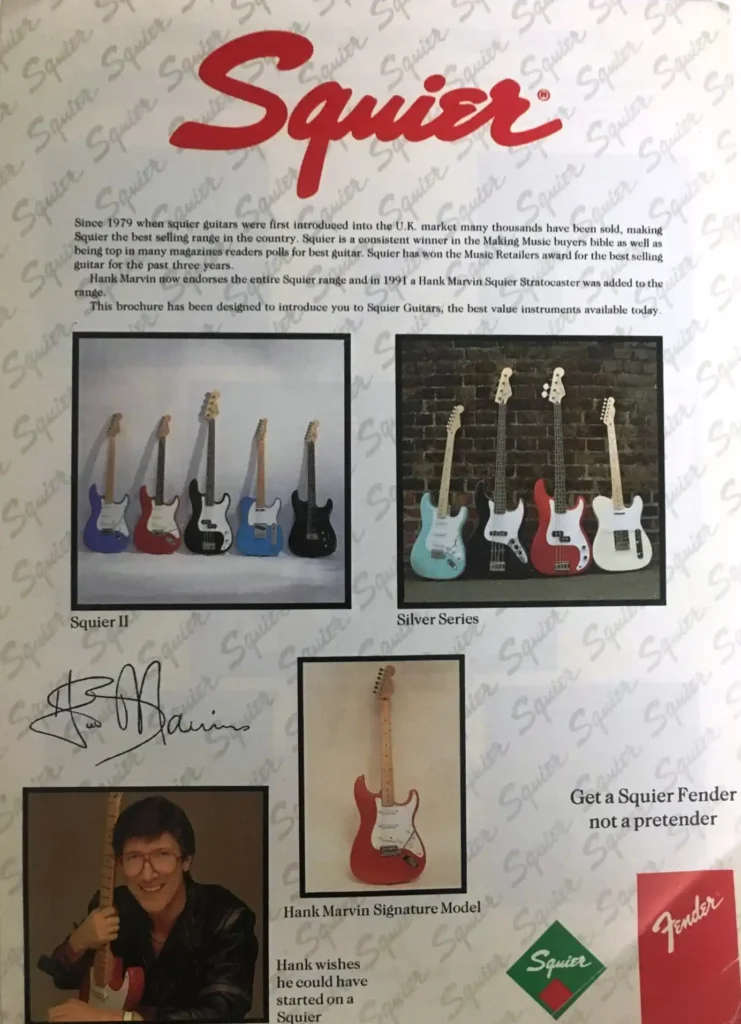
As a result, Fender decided to resume Squier production in Japan with the Squier Silver Series Stratocaster, which was officially launched in 1990, followed by the Hank Marvin Stratocaster a year later.
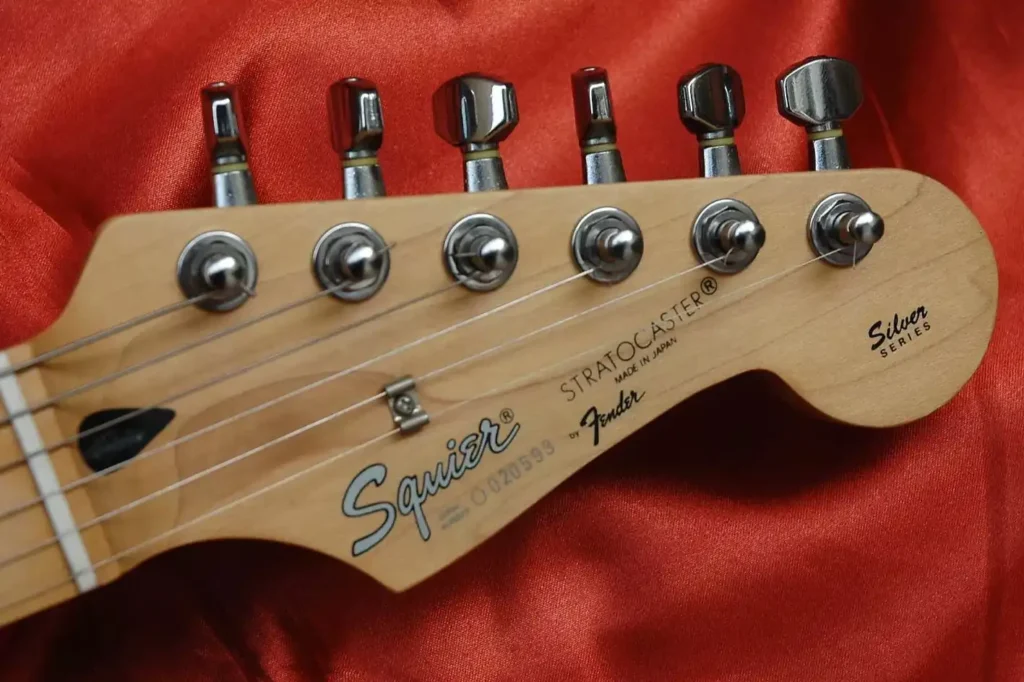
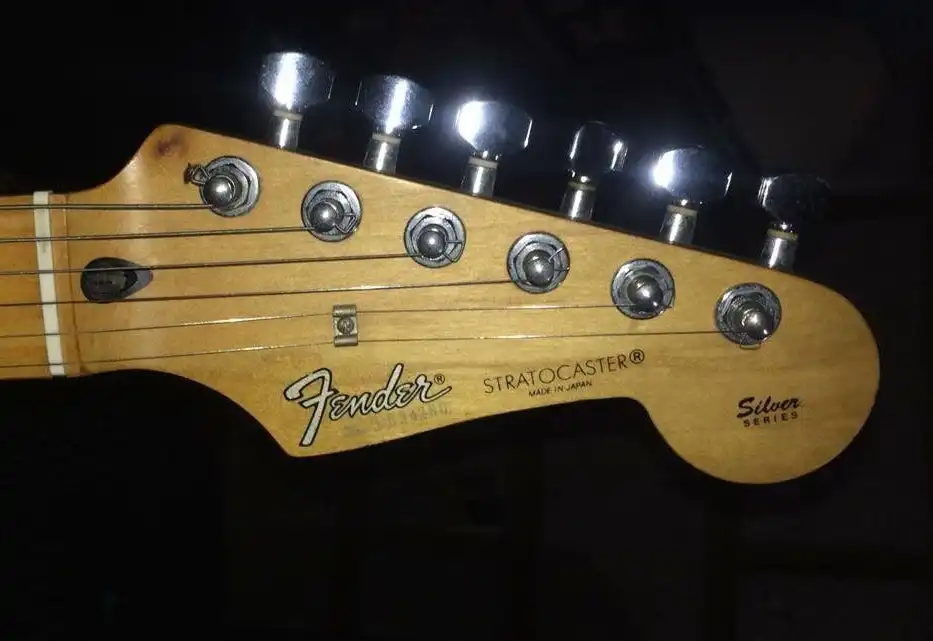
The Silver Series Stratocasters were recognized by their silverish Squier logo and the ‘Silver SERIES’ decal on the ball of the headstock.
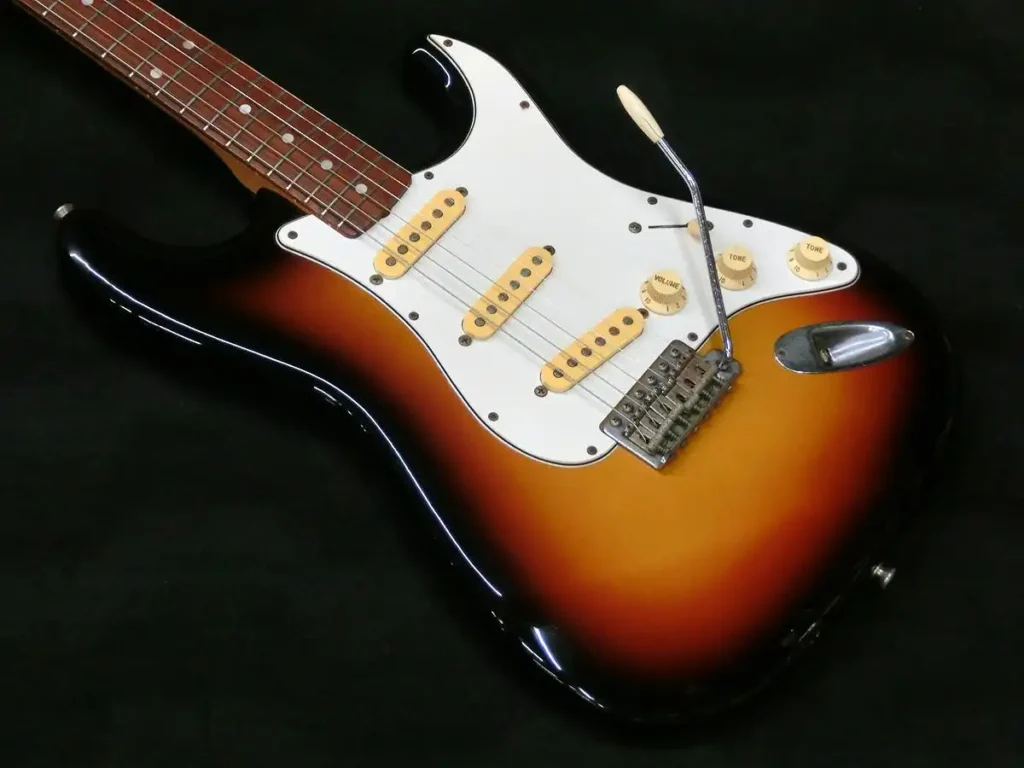
Although some sources state the Silver Series started in 1992, a small run was already produced in 1988 and 1989, most likely for the Japanese market only. Production then paused but resumed definitively in 1990. By that time, a limited number of Fender-branded Silver Series Stratocasters were also made alongside the Squier versions (as shown in the picture above).
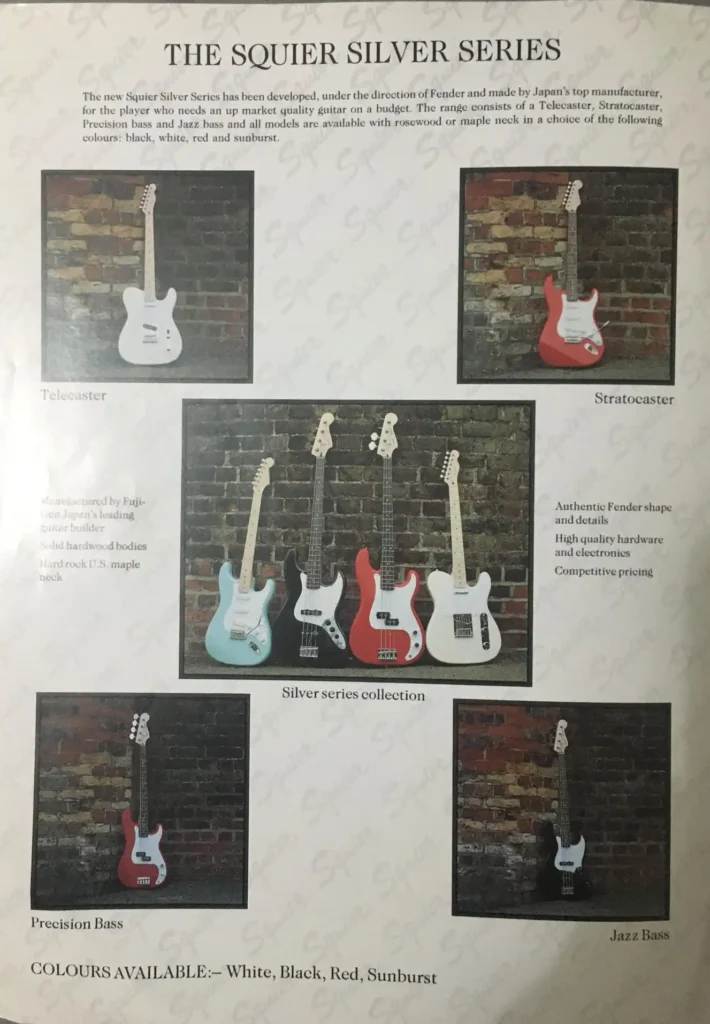
The first Squier Silver Series Stratocasters were shipped to the United Kingdom in 1990, with production continuing until 1996. In Japan, they were sold as the SST-33 model.
Production details and technical differences
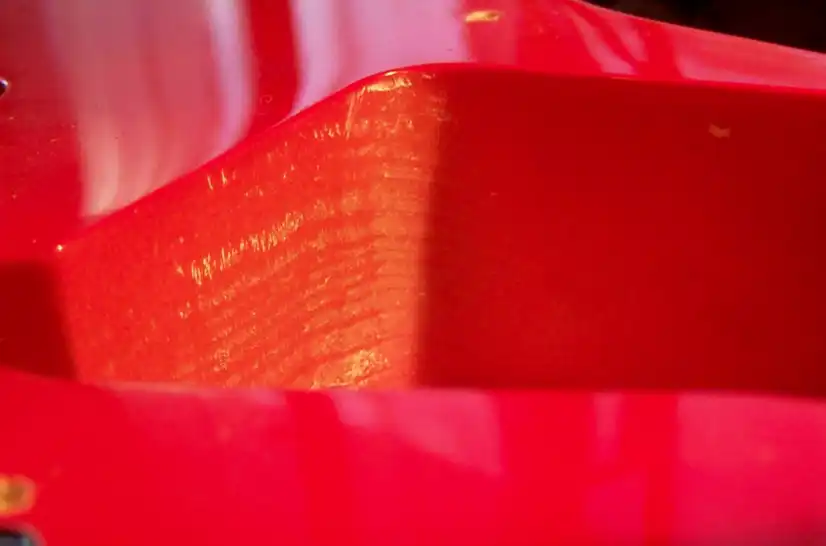
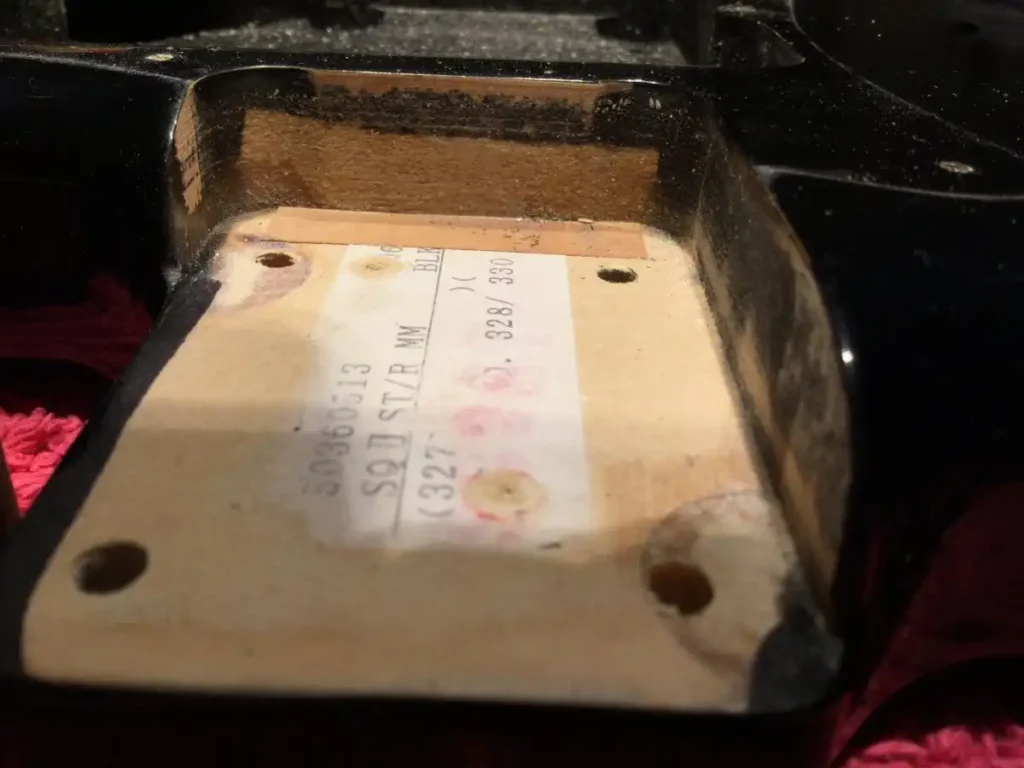
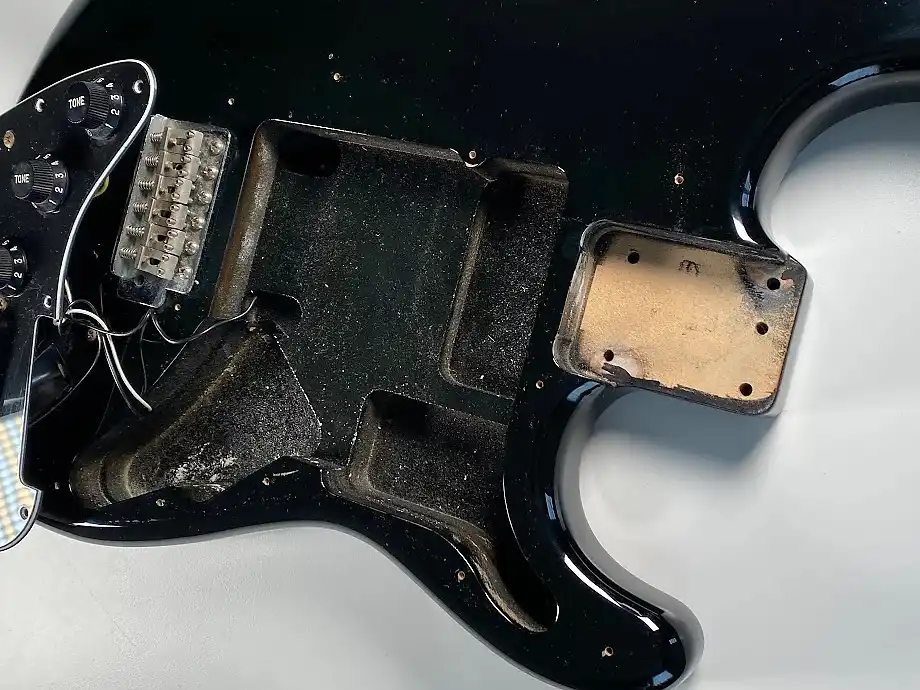
There were some inconsistencies among the Squier Silver Series Stratocasters: some featured a basswood body (or, according to some sources, alder) with standard SSS routing, while others used a cheaper “P.A.F.” wood fiber body with a pool rout. Sunburst Silver Series Stratocaster bodies made of basswood (or alder) had a transparent yellow finish that revealed the wood grain, while those made of P.A.F. had an opaque yellow finish.
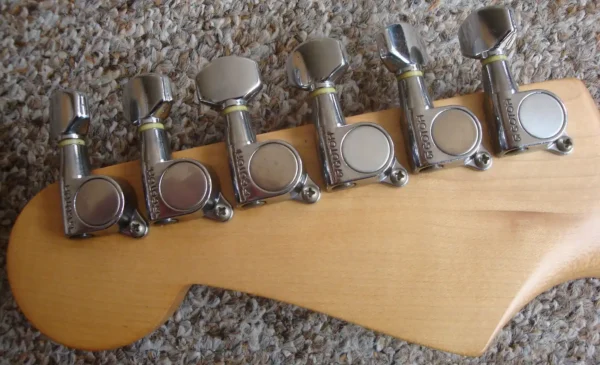
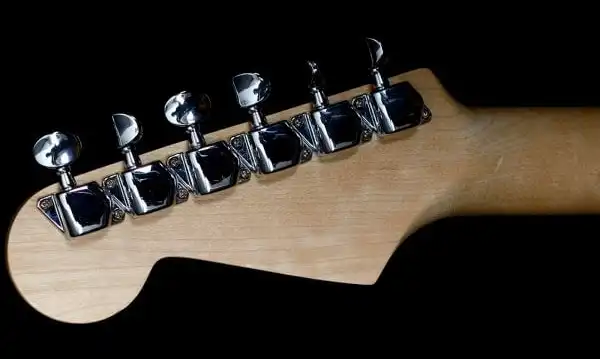
Usually, the basswood versions came with Gotoh cast/sealed tuning machines, whereas the P.A.F. units had cheaper “trapezoid” tuners. All models featured a vintage-style bridge with unstamped saddles, die-cast block, ceramic pickups, and low-quality electronics. A few units had a smaller tremolo block stamped with “FUJIGEN.”
A significant difference between the Japanese export Squier Standard Stratocasters of the early ’80s and the Japanese Silver Series was the location of the truss rod adjustment: on the Silver Series, it was at the headstock, while on the older Squiers, it was at the neck heel.
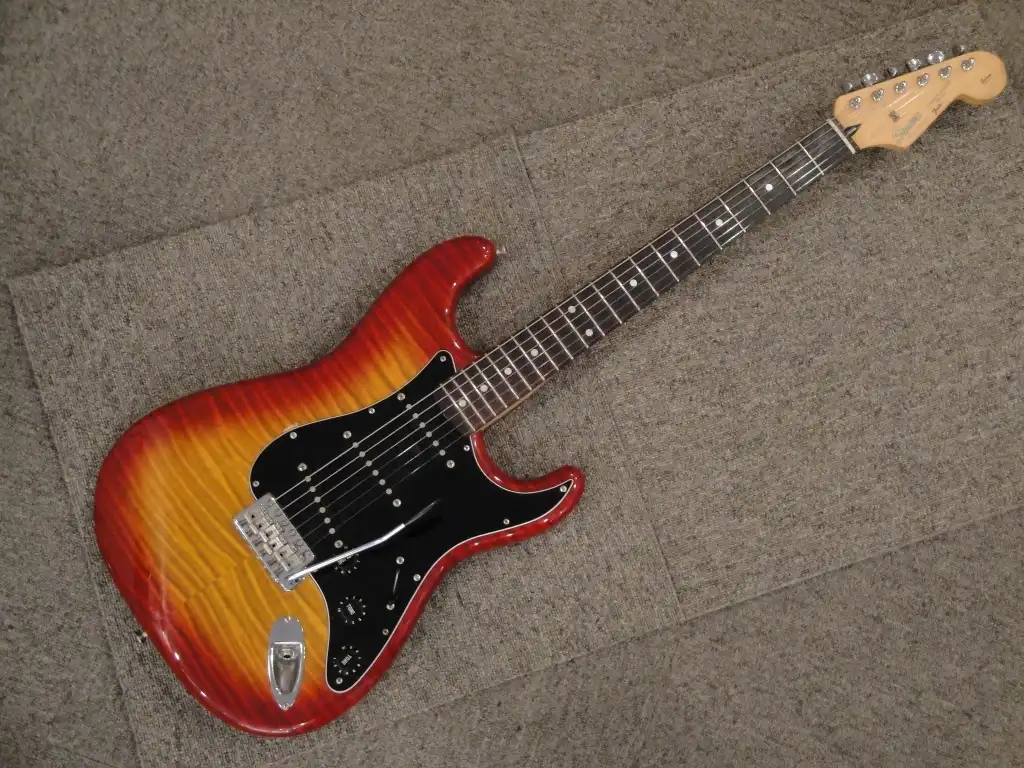
Starting in 1993, additional Squier Silver Series Stratocaster models were sold exclusively in Japan: the SST-36, which was identical to the SST-33 but offered in Gun Metal Blue and Gun Metal Red, and the SST-39, recognized by its photo flame finishes.
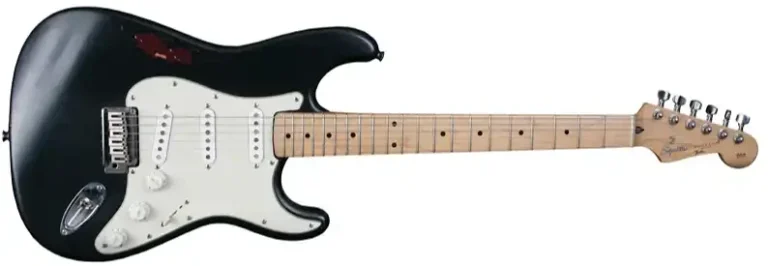
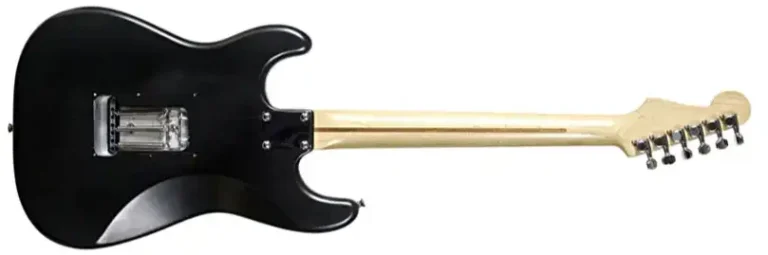
George Harrison’s Squier Silver Series Stratocaster
The Silver Series holds a very unique record: one of these guitars was the most expensive “used” Squier ever. In 2003, the Silver Series guitar that belonged to George Harrison and Spike Milligan was auctioned for $29,384!
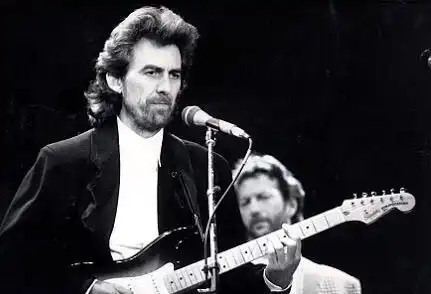
George Harrison had already played a Squier on stage. In fact, he played the export “JV” Stratocaster he had purchased for his son, Dhani, at the Prince’s Trust Rock Gala at London’s Wembley Arena on June 5, 1987. On that occasion, he performed While My Guitar Gently Weeps with Ringo Starr and Eric Clapton.
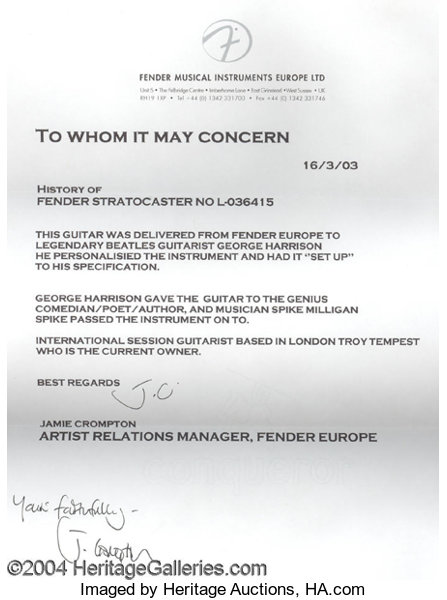
The performance caught the attention of Jamie Crompton, Fender Artist Relations Manager for England and Europe, who decided to give George a new Squier model to help promote the brand.


According to Jamie, the Silver Series Stratocaster was delivered to George Harrison in a tweed case, and he then customized the instrument with a 2-point tremolo instead of a vintage-style one, as well as a mint green pickguard.
The serial number L036415 probably indicates an early 1991 model.
Later, George gave this Squier to his friend Spike Milligan, one of Britain’s leading comedians, who had gained fame on the radio show The Goon Show in the 1950s and later on television. Milligan, in turn, eventually gave the guitar to session guitarist Troy Tempest.
The guitar was auctioned at a Cooper Owen auction held at London’s Hard Rock Café on November 20, 2003.
It was accompanied by a letter on Fender Musical Instruments Europe letterhead from Jamie Crompton.