Fender Made in Mexico #5
Fender Classic and Classic Player Series
FOLLOWING IN VINTAGE FOOTSTEPS


Table of Contents
ToggleFender Classic Series

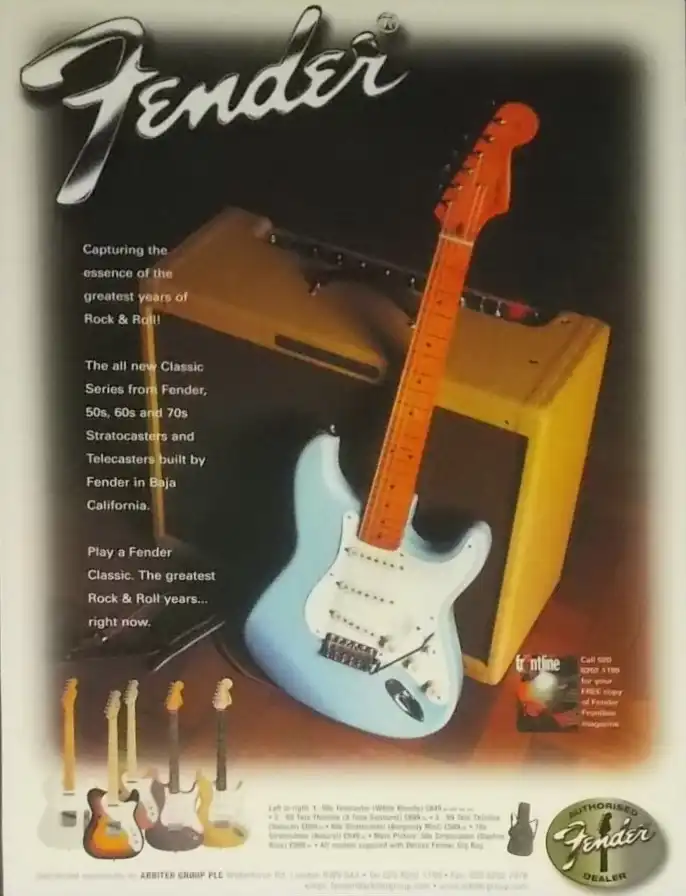
In 1999, Fender introduced the affordable Made in Mexico Classic Series, a lineup destined for success far beyond expectations. These guitars faithfully echoed the defining traits of the ’50s, ’60s, and ’70s Stratocasters, effectively replacing the earlier Japanese Collectables series.
The ’50s, ’60s, and ’70s Stratocaster models all featured AlNiCo pickups with staggered poles, vintage-style bridges (the ’70s retained bent steel saddles), 7.25” fingerboard radii, and vintage-style frets.
The ’50s and ’60s Stratocasters came with a four-bolt neck plate and a small headstock bearing the traditional Spaghetti Logo, while the ’70s model, accurate to its era, sported a three-bolt neck plate, a large headstock with the black CBS logo, and a bullet truss rod.
Body woods differed by decade: the ’70s used ash, whereas the ’50s and ’60s models employed poplar until mid-2002, when alder replaced it (already standard for sunburst finishes).
In the summer of 2013, Fender expanded the line with the ’50s Stratocaster Lacquer and ’60s Stratocaster Lacquer, both finished in nitrocellulose instead of polyester.
Later, in mid-2017, pau ferro fingerboards replaced rosewood across the Classic Series—an adjustment to the tighter CITES regulations on rosewood trade.

Pickups
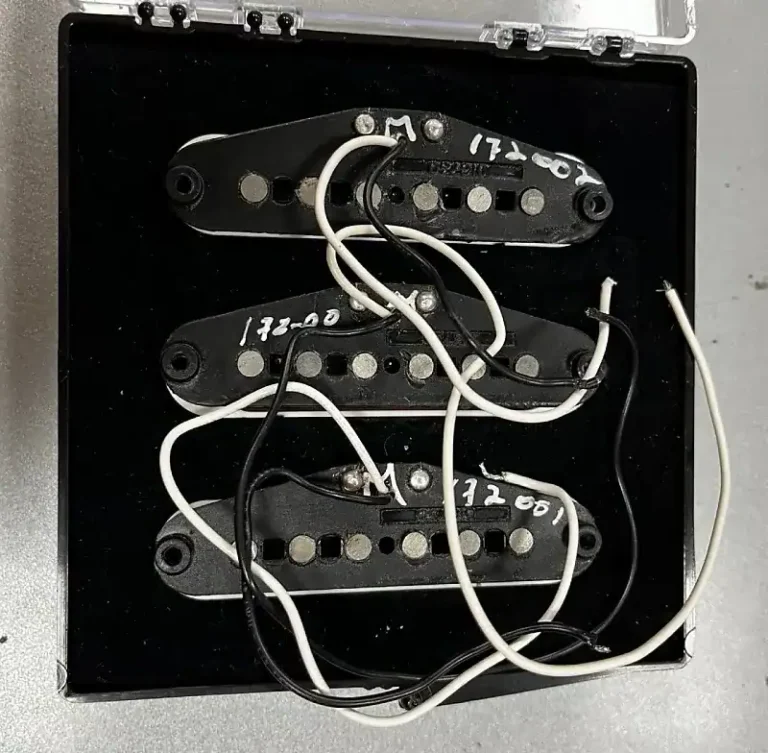
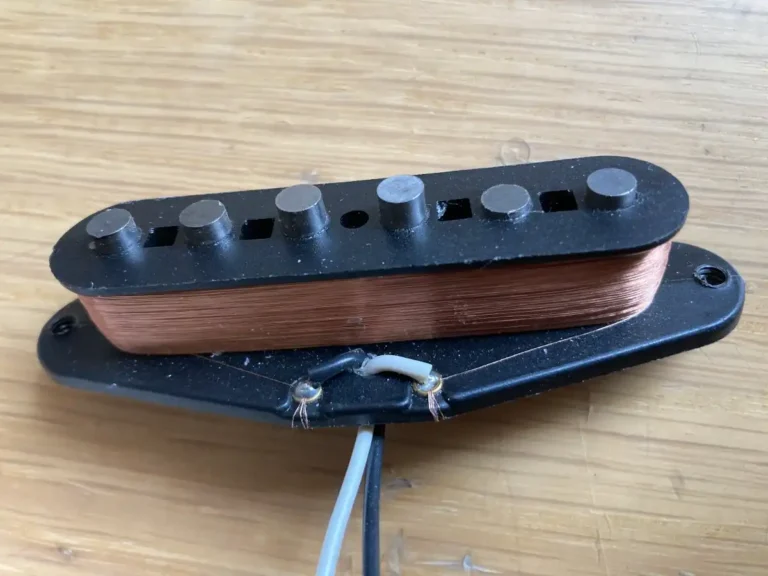
Classic ’50s and ’60s Stratocasters used the same pickups (part number 0054172000), according to their spec sheets. These vintage-style pickups featured AlNiCo 5 magnets, staggered non-beveled pole pieces, and black and white plastic-coated wire. All three pickups—bridge, middle, and neck—shared the same south polarity, including the middle.
They featured black molded plastic top and bottom plates, with the latter stamped with the part number “016730,” a bobbin used in various Fender models.
Many examples also carried white identification codes on the bottom plate—either “282” (neck), “292” (middle), “302” (bridge), or, in other runs, “172-000,” “172-001,” and “172-002” or “172-00,” “172-01,” and “172-02” respectively—though these markings were not always present.
The output matched typical vintage levels, with resistance typically between 5.5 and 5.9 kΩ, and inductance of approximately 2.35 to 2.40 Henries.

In contrast to the ’50s and ’60s models, the Classic ’70s Stratocaster adopted a different approach. Each pickup in these sets was essentially identical, with no position-specific winding or construction. All of these pickups used AlNiCo 3 magnets with staggered, non-beveled pole pieces.
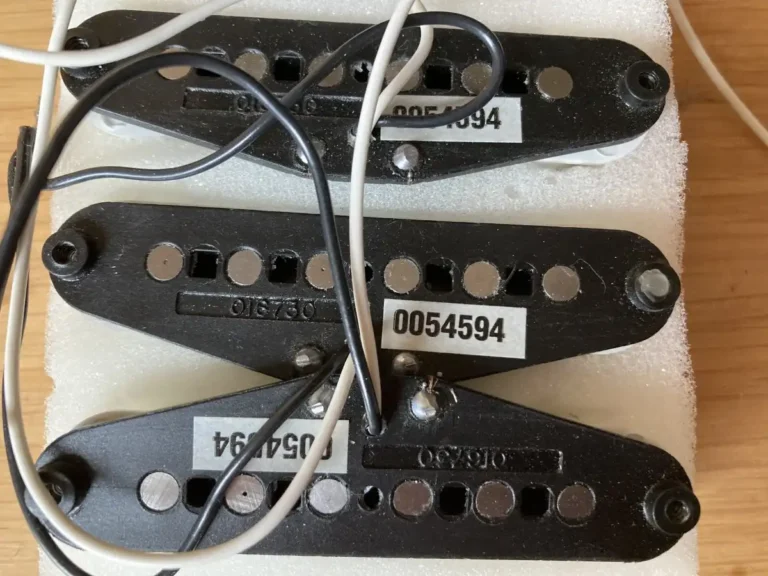
These pickups featured black-and-white plastic-coated leads. Some sets had no identification marks, while others bore simple handwritten white codes such as “31,” “32,” and “33,” or “54594-100,” “54594-101,” and “54594-102.” Some units instead had stickers featuring the part number “0054594.”
All had black plastic plates, with the bottom stamped with the part number “016730.”
Each pickup featured black molded plastic top and bottom plates, the latter stamped with the part number “016730.”
They measured approximately 5.75 kΩ to 5.85 kΩ DCR with an inductance of around 2.7 Henries, placing them firmly in low-output vintage territory.
Notably, all three pickups had the same south magnetic polarity, including the middle unit, meaning there was no reverse-wound/reverse-polarity configuration in this set.


Classic Player Series
The Truth Behind the Classic Player Stratocasters
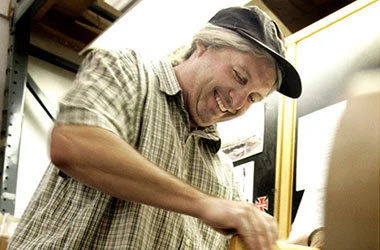
For a while, Fender had been sending Master Builders from the Custom Shop down to the Mexican factory, offering advice and sharing their expertise. Among them was Chris Fleming, who eventually decided to design a guitar of his own for the Ensenada team. The result was the Baja Telecaster, released in 2006—a vintage-style instrument with a few modern twists.
A few months later, Fender unveiled the Classic Player ’50s Stratocaster, designed by Master Builder Dennis Galuszka, and the Classic Player ’60s Stratocaster, created by Master Builder Greg Fessler. These Mexican guitars, drawing on Custom Shop “know-how”, were inspired by vintage Stratocasters, with Fender adding a touch of modernity: larger frets, a nearly flat fretboard, and a 2-point bridge with vintage-style saddles.
A special five-way switch allowed the neck/bridge combination in position 4 on both the ’50s and ’60s models.
It is interesting to note that catalogs published up to 2011 depicted the Classic Player ’60s Stratocaster without a string tree, whereas this guitar has always had one.

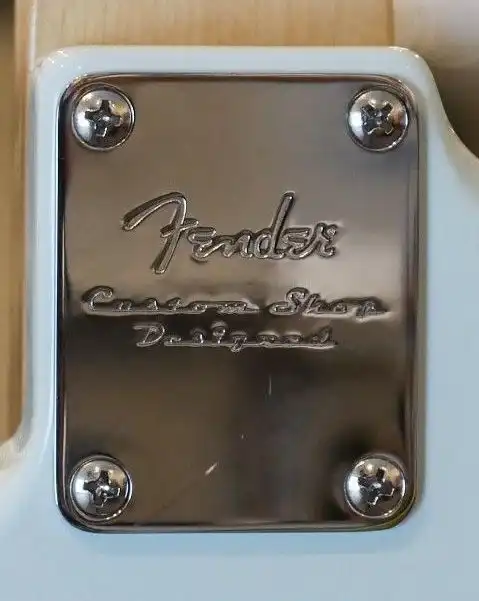
This series has often caused confusion due to the neck plate engraving, which reads “Custom Shop Designed.”
As a result, many guitarists mistakenly believed that the Classic Player ’50s and ‘60s Strats were Custom Shop guitars produced in Mexico.
To clarify, there is no Custom Shop in Mexico; instead, the term refers to instruments designed by Custom Shop Master Builders but made in Mexico.
A separate Classic Player Series, crafted by the Fender Custom Shop, existed from 1998 to 2005, but it was a distinct series.


Custom Shop or Not? Inside the Custom ’69 Pickup Debate
The Classic Player ‘50s Strat featured Original ’57/’62 Single-Coil Pickups with a reverse wound/reverse polarity middle pickup for hum-cancelling, and vintage-style locking tuners.
The ‘60s model, on the other hand, was equipped with Custom ‘69 Single-Coil Strat Pickups. There has always been considerable confusion about whether these were genuine Fender Custom Shop pickups.
Fender’s customer service sometimes described the ‘60s model pickups as being made by the Custom Shop, while at other times they stated that the pickups were not Custom Shop-manufactured but were made to exact specifications. Varying customer service statements about these pickups further confused players.
To clarify some of this confusion, the spec sheet of the Classic Player ‘60s Stratocaster released by Fender in 2006, clearly stated “Custom Shop Custom ‘69”.
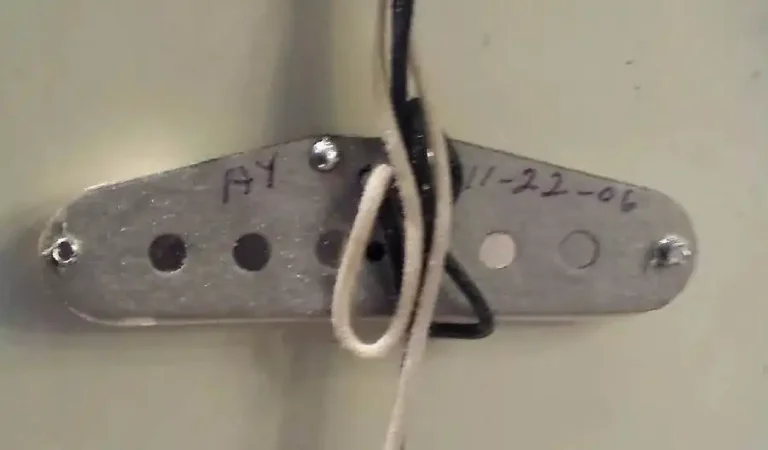
Nothing can rule out the possibility that Fender may have changed something over time. Many support this theory because only the pickups from the early Classic Player ‘60s were hand-dated and showed the “AY” marking. This marking did not indicate that they were hand-wound by Abigail Ybarra, but rather that they were made under her supervision. Later models had no marking at all.