Fender Japan Part #7
The ExTrad Series
EXTRA TRADITIONAL GUITARS
Table of Contents
ToggleExtra Traditional guitars
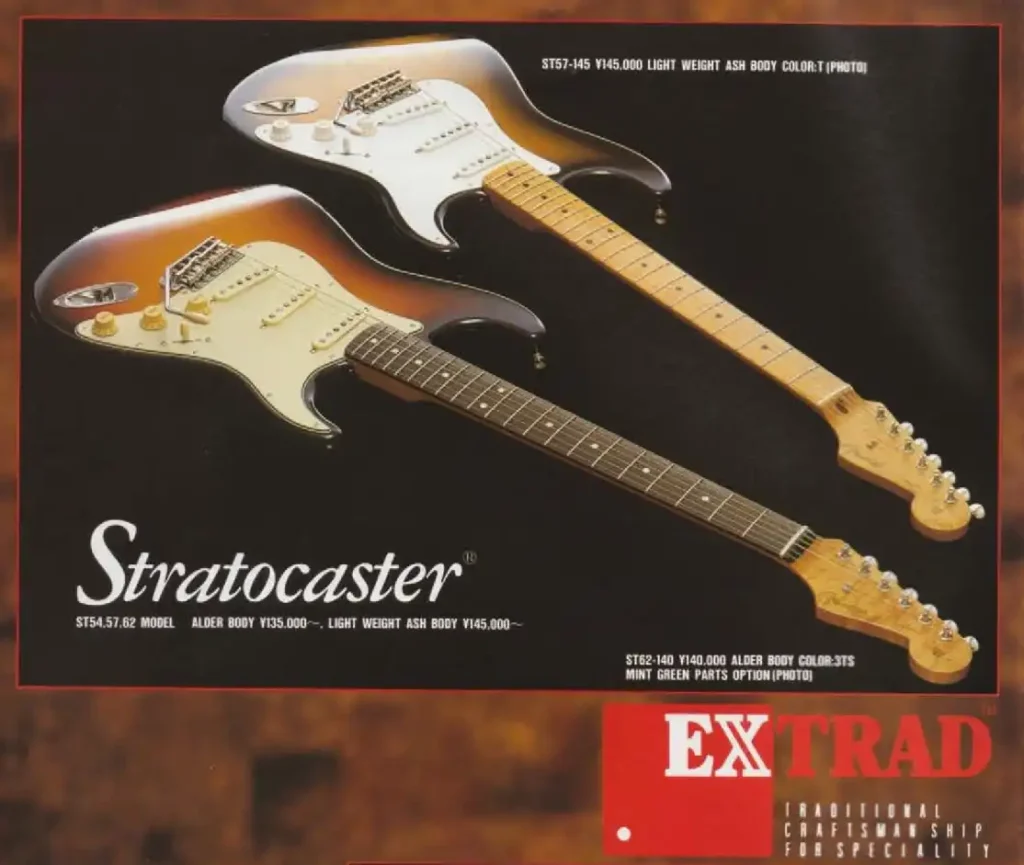
The ExTrad Stratocasters first appeared in Fender Japan’s 1986 Twang catalog as part of the Collectors Series. In the second half of 1989, they officially became the “ExTrad Series.” These guitars were never intended to leave Japan — they were built for the domestic market only — which is why finding one today in the U.S. or Europe feels like discovering a rare treasure.
The name ExTrad stood for “extra traditional,” a nod to the fact that these instruments weren’t just faithful reissues of vintage models. They were the crown jewels of Fender Japan, representing the absolute peak of its craftsmanship.
They were custom-order guitars, so their specifications could vary widely. As the 1992 catalog stated: “These basic models are just samples. You can specify any option. Please contact Fender Japan’s authorized dealer for the estimate.” For the player, that meant stepping into a world of possibilities.
They could choose fine tonewoods, request custom pickups, or go all out with a highly figured maple neck. Details like mint-green plastics, shimmering gold hardware, and ultra-thin lacquer finishes made each instrument unique, elegant, and unmistakably high-end. More than guitars, the ExTrads were statements — built to sound extraordinary and look just as refined.
There were three Stratocaster models — ’54, ’57, and ’62 — each offered with either an alder or a lightweight ash body, totaling six models in the lineup. However, since these were custom-order guitars, players could request many different ExTrad Strats, and the final price varied depending on the selected options.
The 30TH and the 35TH Anniversary Stratocasters
In 1992, Fender celebrated two defining moments in Stratocaster history with a pair of special ExTrad models: the ST57-35TH and the ST62-30TH. The years they honored were no coincidence — they matched the ones Fender had chosen a decade earlier for the first U.S. Vintage Reissue Stratocasters: 1957 and 1962.
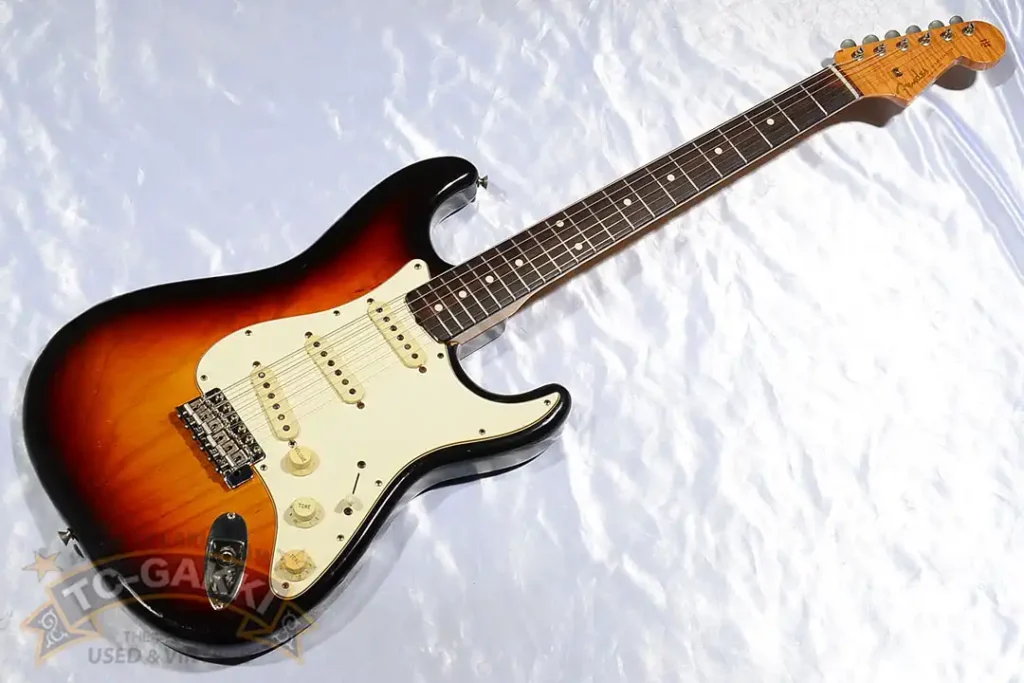
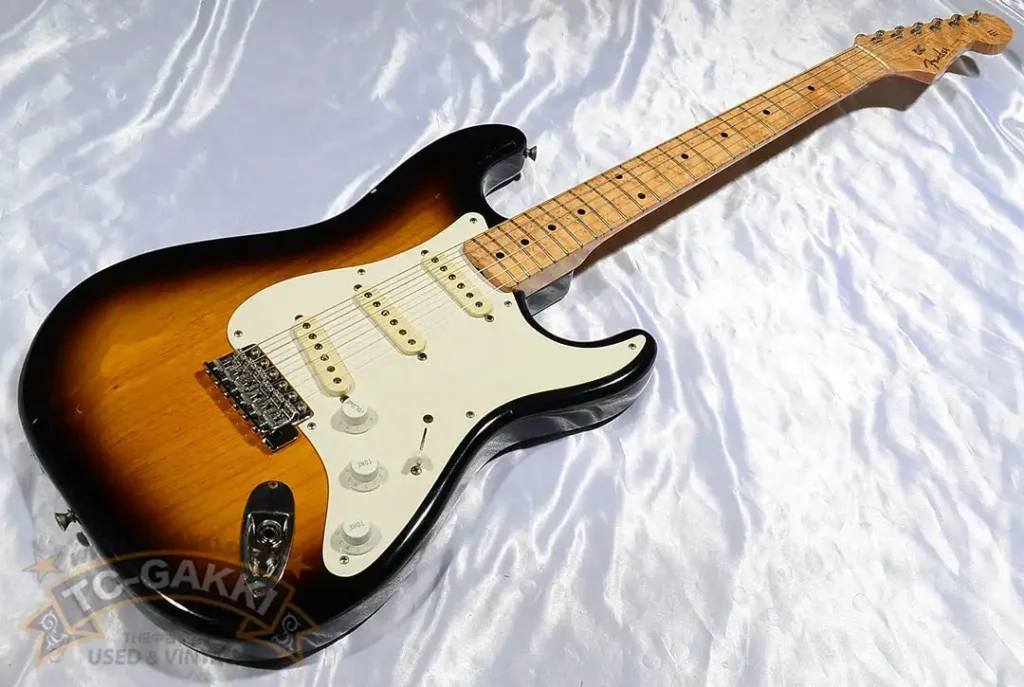
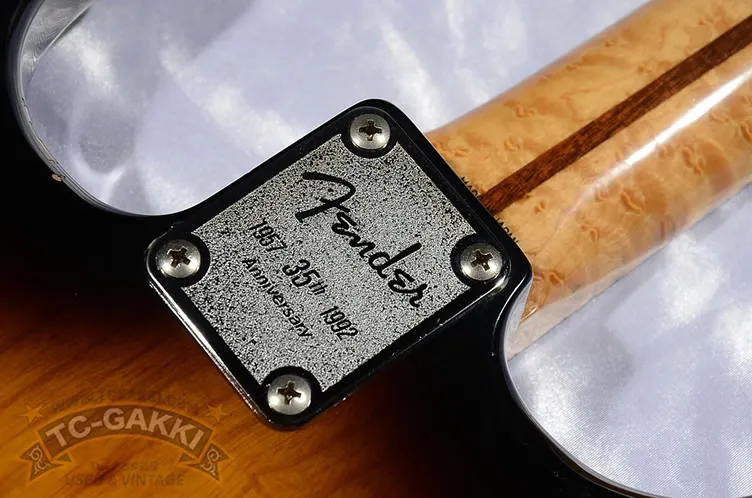
The ’57 reissue came with a lightweight ash or sen body finished in 2-Color Sunburst, while the ’62 reissue featured a select two-piece alder body in 3-Color Sunburst. Both guitars were enhanced by a stunning bird’s-eye maple neck and a commemorative neck plate — details that made these limited-edition instruments not just excellent reissues, but living symbols of the Stratocaster’s lasting legacy.
The Custom Edition Team
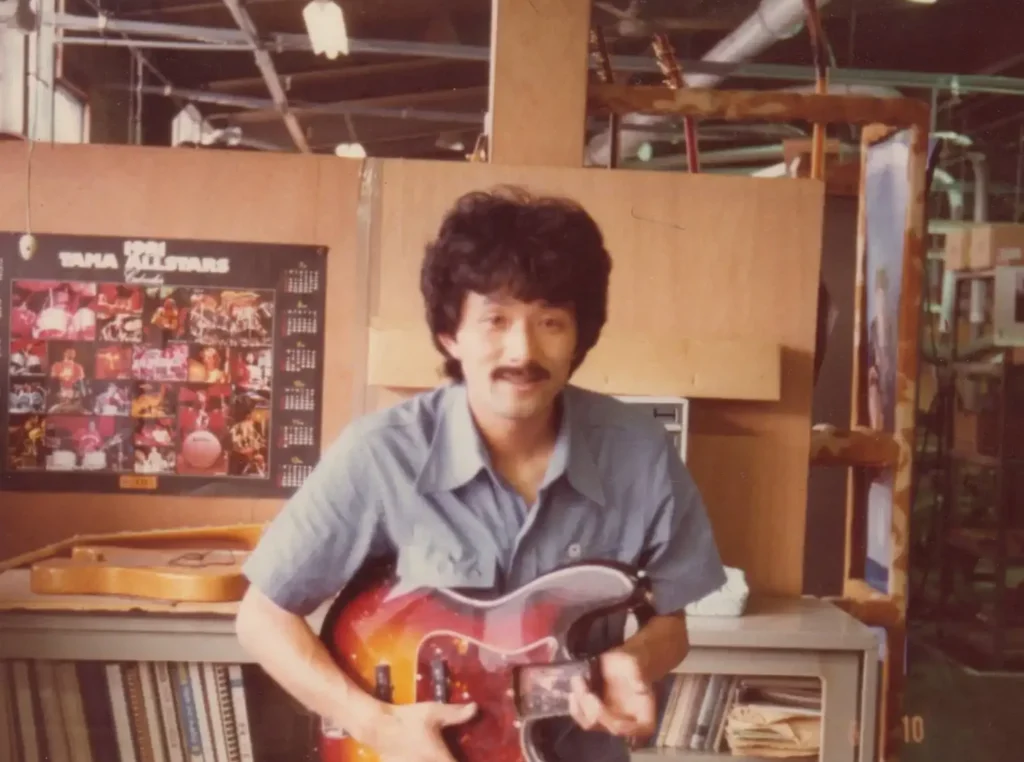
ExTrad guitars were crafted by the Custom Edition Team, a Japanese Custom Shop assembled by Makoto Sugimoto in the late 1980s.
This team consisted of master craftsmen who carefully studied and analyzed vintage Fender guitars and basses. They worked closely with Fender USA, used only high-quality materials, and handled special orders for discerning guitarists and bassists.
Makoto himself was a seasoned luthier with twenty-three years of experience in R&D, custom instrument building, and engineering at the Fujigen factory. His designs influenced Fujigen’s production for major clients, including Ibanez, Greco, Epiphone, Yamaha, and, of course, Fender.
He was also the one who built the very first sample that Fujigen sent to Fender’s U.S. headquarters to demonstrate their ability to manufacture Fender instruments in Japan.
Makoto eventually left Fujigen in 2001, and the following year, he launched his own brand, Sugi Guitars, with his uncle, creating high-end guitars and basses under that name.
A closer look at an ExTrad guitar
There is considerable confusion about these guitars in the U.S. and Europe, especially when it comes to identifying them. The most obvious method is to check the serial number and the certificate of authenticity. Unfortunately, many of these documents have been lost, so alternative methods are often required.
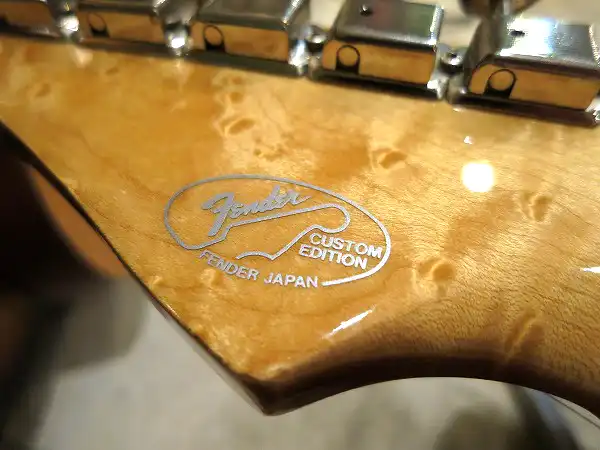
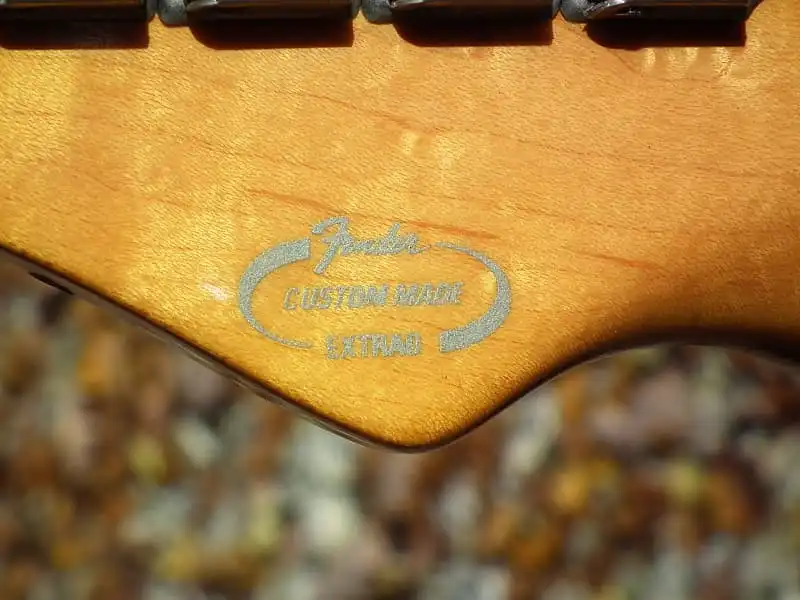
The earliest models, produced between 1986 and 1987, do not feature any logo on the back of the headstock. From 1988 to 1991, the “ExTrad” logo was added to the back of the headstock. Around 1992, this decal was replaced with the “Custom Edition” logo.
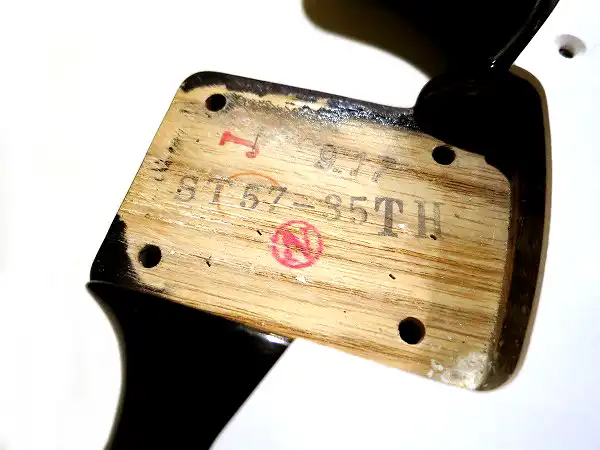
Another way to verify a guitar is by removing the neck and inspecting the neck pocket. Here, you may find stamps indicating the ExTrad model type, such as ST-54, ST-57, and ST-62, along with additional marks like Ⓢ, Ⓝ, A, T, EX, EXT, or D. Usually, the date of manufacture is also written in pencil on the end of the neck.
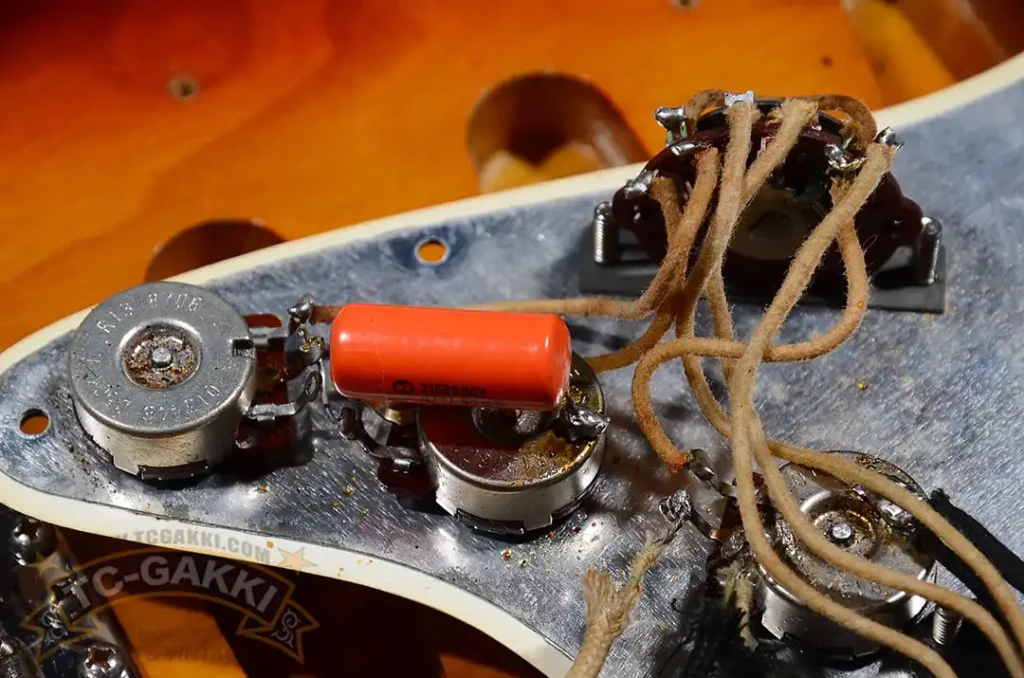
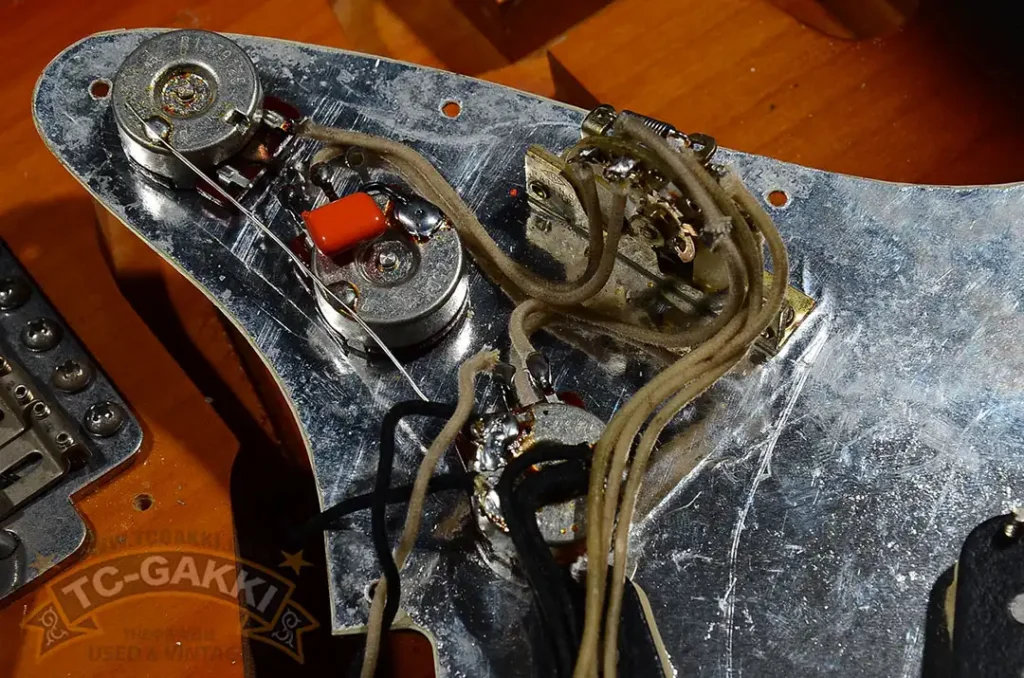
Examining the control section, it’s easy to spot a ground wire connecting the backs of all three CTS potentiometers, forming a continuous ground. However, many ExTrad Stratocasters lacked this feature. The guitars typically used cylindrical or square red capacitors made by Sprague or IC.