A deep dive into the history of:
Fender Japan
FROM LAWSUIT-ERA TO FUJIGEN’S CRAFTSMANSHIP
Table of Contents
ToggleClone Wars: the Lawsuit Era
During the late 1970s, Fender and other major American brands, such as Gibson and Martin, saw their business increasingly affected by the numerous copies and clones of their instruments manufactured in Japan. Fender was suffering increasing costs, especially in manufacturing, and the Japanese makers had become serious competitors.
The early copies weren’t very good, so Fender wasn’t too concerned; however, the Japanese makers gradually improved the quality of their guitars, making a significant impact on the global guitar market. These guitars often literally copied Stratocasters while costing less—production cost in Japan in the early 1980s was much lower than in the U.S.A.
Ibanez was one of the earliest Japanese brands to hit the market in the USA and Europe. Greco and Fernandes were other brands of quality copies. But there was one Japanese brand in particular that concerned Fender: Tokai.
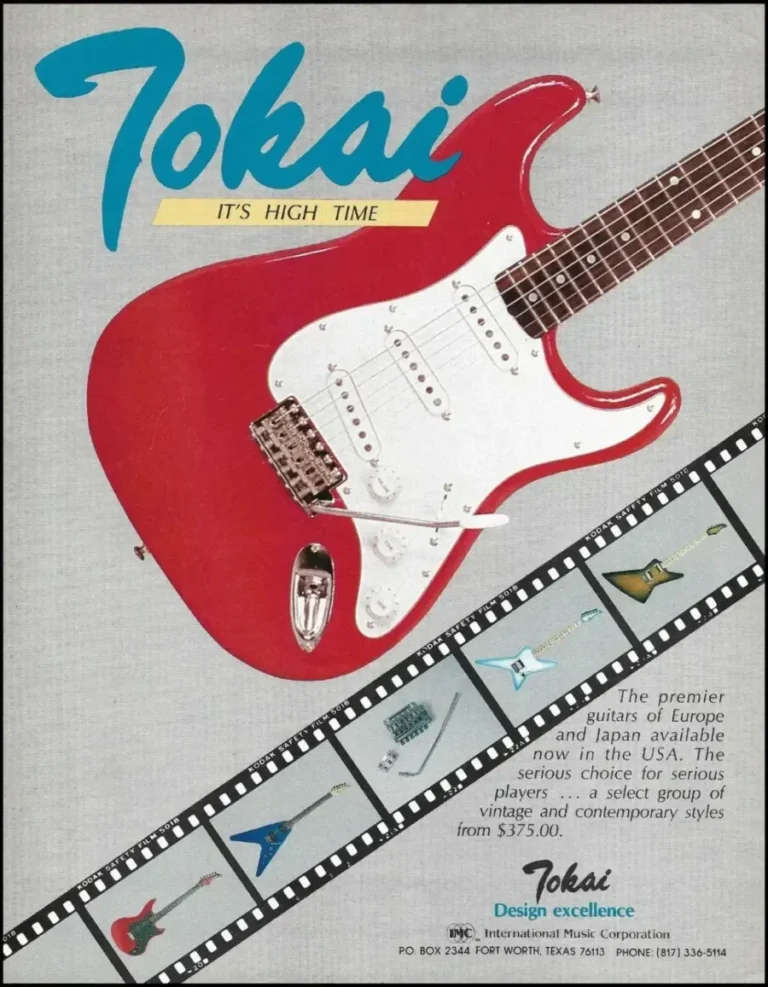
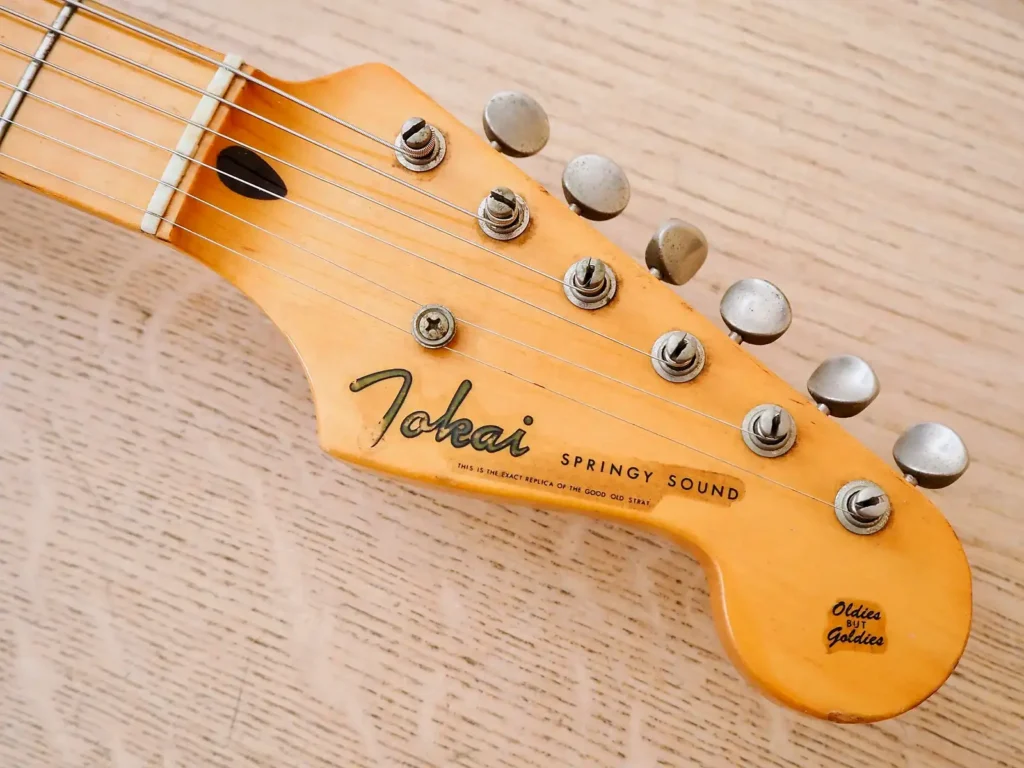
Tokai’s Stratocaster copy was called the Springy Sound model. Launched in 1977, this guitar overtly replicated the appearance, construction, and playability of the golden-era Stratocasters. It was a finely crafted instrument with meticulous attention to detail. For example, the font used for the logo on the vintage-style headstock of the Springy Sound was designed to resemble the classic Fender Spaghetti logo. Meanwhile, the small text “WITH SYNCHRONIZED TREMOLO” was replaced with “THIS IS THE EXACT REPLICA OF THE GOOD OLD STRAT,” and “ORIGINAL Contour Body” became “Oldies BUT Goldies.”
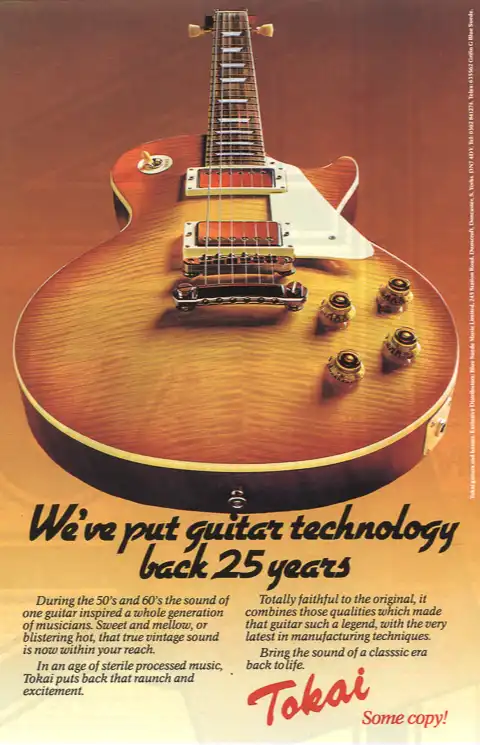
A year earlier, Tokai had also released a Les Paul copy featuring the “Tokai” logo on the headstock.
It wasn’t just this audacity that angered Fender and Gibson: the guitars were truly impressive. While Fender focused on financial pressures and profit goals as part of the CBS conglomerate, Tokai carefully studied the original models, disassembling, measuring, and taking hundreds of photographs, all with great attention to detail.
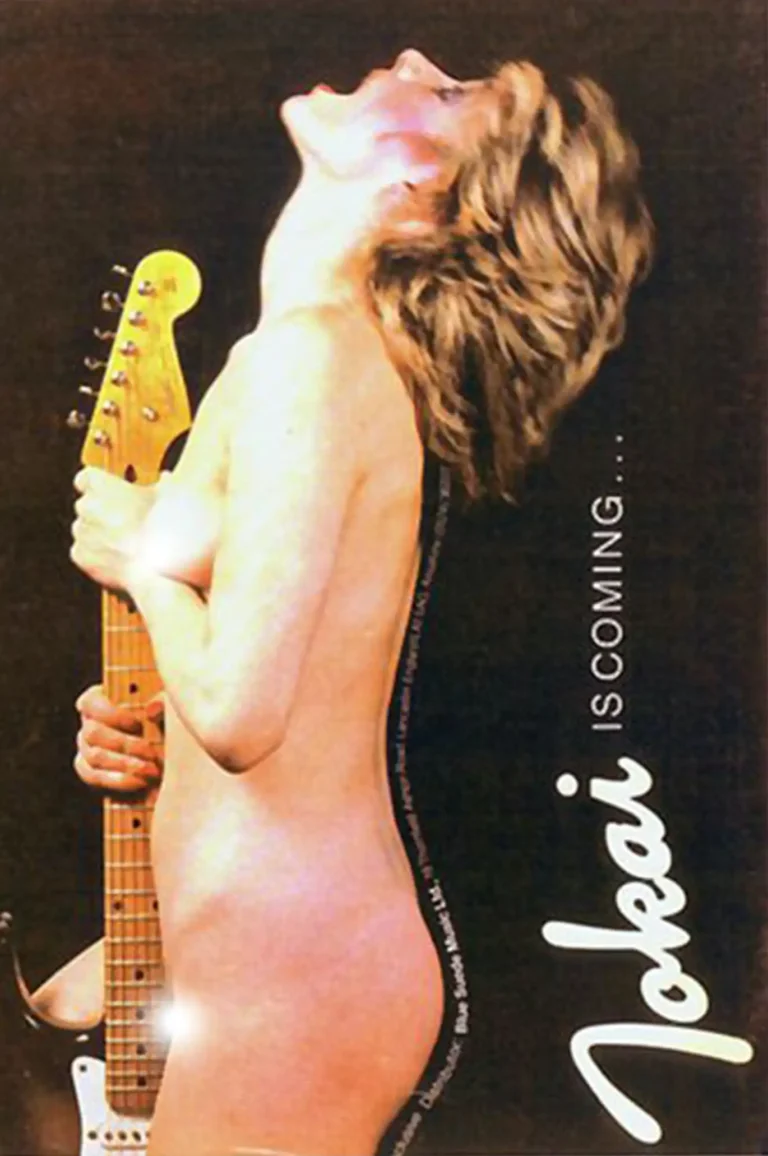
Although the guitars were initially targeted at the domestic market, by the early ‘80s, Tokai was exporting worldwide. In the UK, Blue Suede Music began importing Tokais in October 1981 with their eye-catching ‘Tokai is coming’ ad featuring a naked girl cavorting with a Springy Sound (the model was the girlfriend of Blue Suede’s owner).
Obviously, Tokai irritated the executives at Fender.
“Regardless of how bad the originators might be at making a product, that doesn’t give anybody else license to copy it. […] That used to irritate me no end. To copy us wholesale, down to the last screw, still irritates me.”
Dan Smith
Fender took legal action, enabling U.S. Customs to seize imports of guitars with Fender’s headstock designs and remove their headcaps.
This legal action was a step forward, but ultimately, Fender needed a more comprehensive strategy to survive this era of intense competition.
Bill Schultz and Dan Smith realized that Japanese manufacturers made their highest profits in Japan, where they charged relatively high prices, compared to the lower prices they set in the USA and Europe, to boost their competitive edge and expand their market share.
Therefore, they realized that the solution was to sell Japanese-manufactured Fender-branded instruments in Japan at prices lower than those of their Japanese competitors. This would force Tokai and other Japanese brands to lower their prices domestically to stay competitive, while raising their prices abroad to remain profitable.
Fender Japan
Dan Smith, Bill Schultz, and Roger Balmer (Fender’s then head of Marketing and Sales) began discussing how to start producing Fender guitars in Japan in December 1981.
Fender had already been working with a Japanese distributor, Yamano Music, since 1963. However, since they only sold through their own sales offices in Tokyo, Osaka, Nagoya, and Fukuoka, Fender looked for an additional distributor with a broader reach. After talking with several candidates, Schultz and Balmer ultimately selected Kanda Shokai.
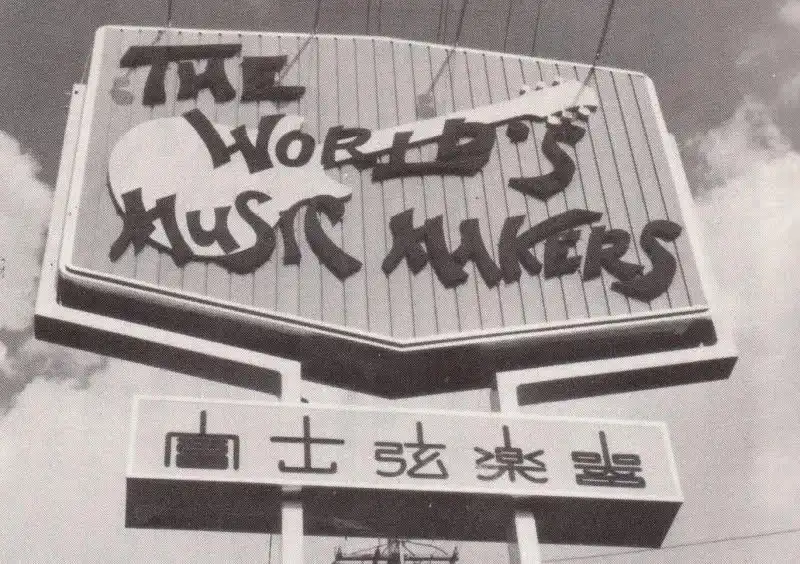
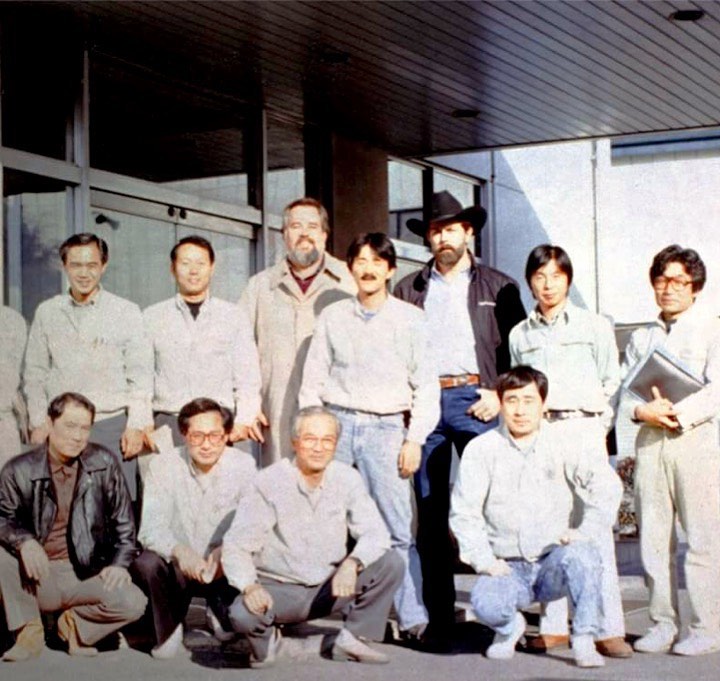
Tokai was suggested as a potential factory, but FMIC’s executives disliked Tokai. Instead, they chose Yuichiro Yokouchi’s FujiGen Gakki, based in Matsumoto, about 200 miles north of Tokyo.
FujiGen Gakki Seizō Kabushiki Kaisha (which translates as Fuji String Musical Instrument Manufacturing Inc.) was known for producing Kanda’s house brand, Greco, along with Ibanez and other high-quality instruments [See the history of FujiGen here].
To demonstrate the high standard of FujiGen’s craftsmanship, the company initially used a genuine vintage Fender as a reference when producing Greco copies, ensuring precise replication.
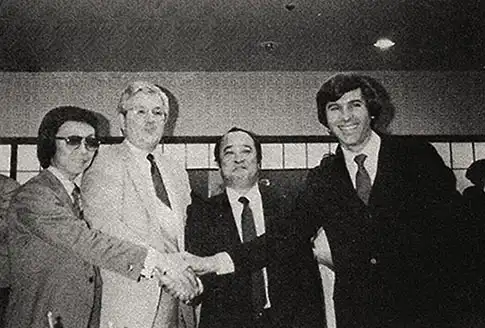
Following a meeting with Chitoshi Kojima from Kanda Shokai and Mike Yamano from Yamano Music, the joint venture Fender Japan Co., Ltd. was officially established at the Grand Palace Hotel, Kudanshita, Tokyo, on March 11, 1982.
The agreement provided that Fujigen would manufacture Fender guitars made in Japan under Fender’s license, while both Kanda and Yamano would assume their distribution on the Japanese domestic market, and Yamano would also continue to sell imported US-made Fenders.
This was made possible by Asatomo Nakata, also known as Ace Nakata, the former Managing Director of FujiGen, who negotiated these terms into the founding document of Fender Japan.
Ace, the long-time vice president of Fujigen, was the primary negotiator for the company during the meetings that established the foundation of Fender Japan. Every major decision made by Fujigen was his idea, and Fender Japan became his crown jewel. Ace provided input that benefited not only Fujigen but also everyone involved, especially Fender USA.
In addition to producing guitars for export to the United States and Europe, Fujigen also manufactured instruments specifically for the Japanese domestic market. The instruments Fender Japan offered domestically often differed from those available in Western markets, as Fender Japan had the freedom to decide which models to produce and sell to meet the specific demands of Japanese customers.
The main benefit of partnering with Fender wasn’t about profit, but about Fuji Gen’s chance to fully embrace mechanization. The introduction of NC routers for body-making dramatically improved precision, reducing tasks that once required several workers to a highly accurate, automated process, now achieving tolerances of one-hundredth of a millimeter.
The creation of Fender Japan marked a turning point. Fender’s move undercut Japanese copy makers on their home turf and restored the appeal of owning a genuine Fender guitar, giving the brand a strong competitive edge even in Japan. Even Tokai, known for producing excellent Fender replicas, suffered from the competition posed by the new Japanese Fenders. Paul Colbert, the first journalist to review the FujiGen-built models, observed: “Tokai are as detailed in their replicas but, psychological or not, having that Fender logo at the top of the headstock puts heritage in your hands, even if given an Eastern interpretation.”
From Greco to Fender: Debunking the Rebrand Myth
Some people said Fender Japan guitars were just Greco under a different name. That’s not true.
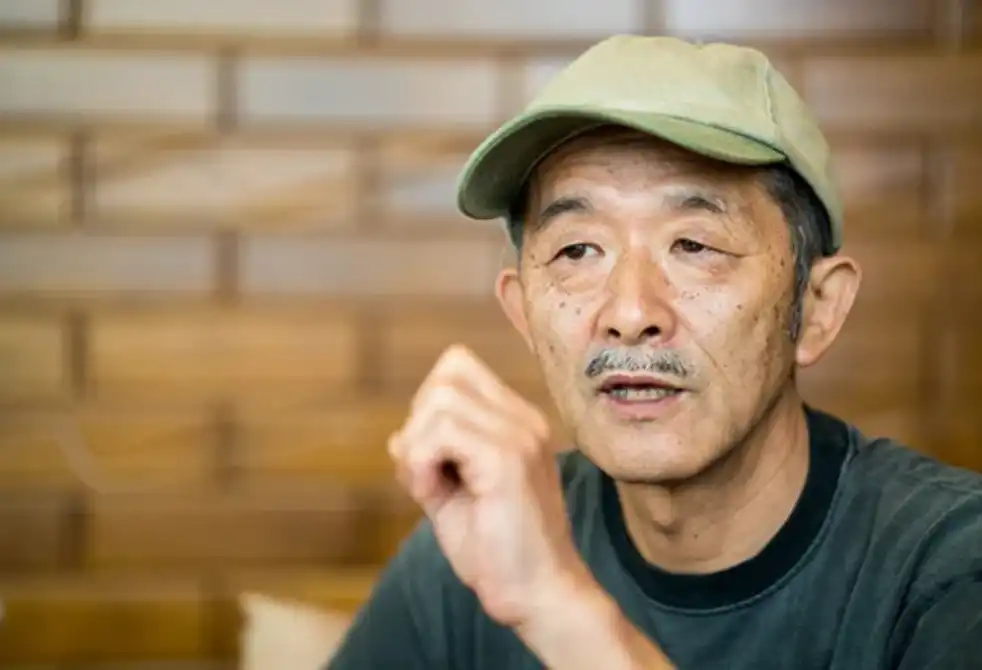
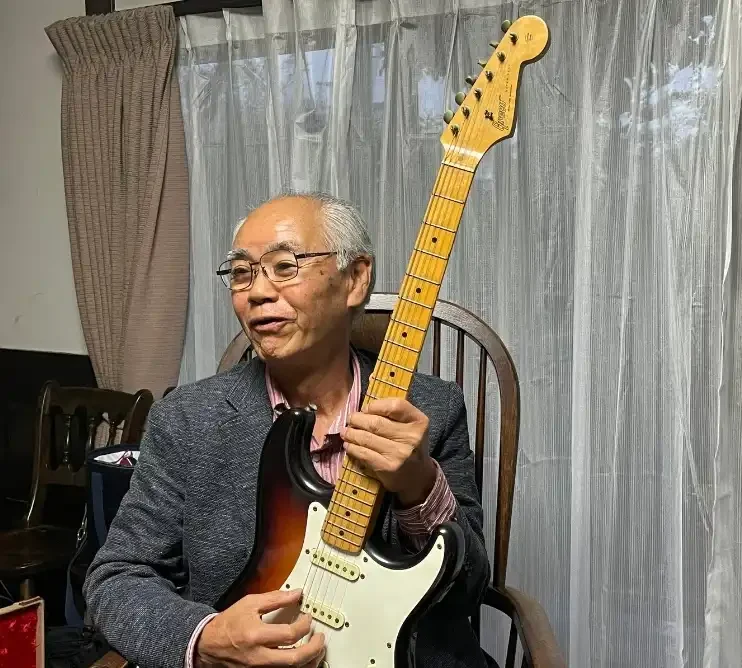
“We worked directly with Fender USA staff to fine-tune the details of the Greco products and bring them closer to the original Fender designs,” said Makoto “Nick” Sugimoto, who joined Fuji Gen Gakki in 1978.
“For example, the contour of the Fender headstock is slightly different from Greco’s. If you compare them, you’ll see the difference. Greco’s vintage copies were close, but not quite the same. With Fender Japan, we incorporated original Fender documentation and refined the models even further.”
Former FujiGen Managing Director, Asatomo Nakata, also stated that the first Japanese Fenders were not rebranded Greco guitars: “At the time, we made the Greco ‘Stratocaster’ called SE1200 of the Super Real series. Rumors started going around that Fender had just taken that model and swapped out the Greco logo for a Fender one. Even now, there are still people who believe that. But that’s completely wrong. It’s nothing more than a rumor. Fuji Gen is not the kind of company that would do something like that. The samples and mass production models made for Fender were entirely different from the Greco SE guitars. However, when Fender Japan was first announced, the guitars for the trade show and catalog shoot weren’t ready in time. So, out of necessity, they took a Greco SE1200, replaced the logo with a Fender one, and used that guitar for the show and the catalog photos. That story somehow got twisted and passed along incorrectly, which likely gave rise to the rumor that the early Fender Japan guitars were just rebranded Grecos.”
The Ad That Sparked Rumors of Racial Tension at Fender
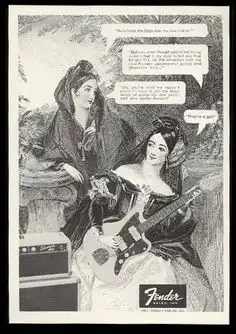
The first advertisement for Fender guitars made in Japan, published in the USA, stated: “An international team of guitar designers and craftsmen gave these new Squier guitars the same light touch and brilliant tone that made the originals the world’s most sought-after electric guitars,” without any mention of where the guitars were built.
This omission led some to speculate that American workers might have responded negatively due to lasting animosities from World War II. However, there was no evidence of racial hostility toward the Japanese at the Fullerton factory. Nearly 80 percent of the 1,000 workers were Latino, not white, and there were no racially motivated issues relating to the Japanese. While some expressed concerns about job security, these concerns were not rooted in racial hostility.
The Custom Edition Team
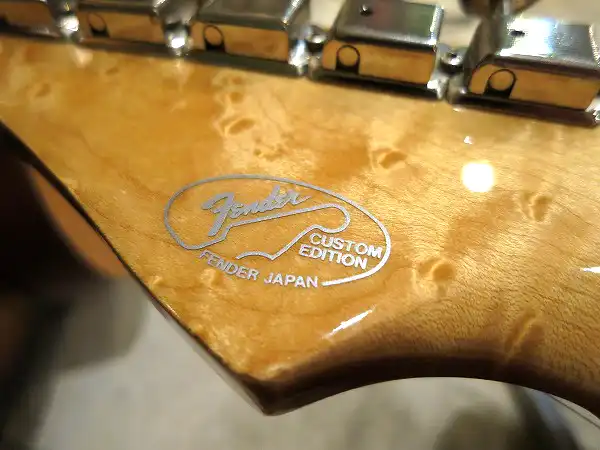
In the second half of the ‘80s, Makoto Sugimoto established a small Custom Edition Team, akin to a Japanese Custom Shop. The Custom Edition Team was composed of highly skilled craftsmen who extensively studied and analyzed Fender guitars and basses. They maintained active relations with Fender USA, used only selected materials, and accommodated special orders from guitarists and bassists.
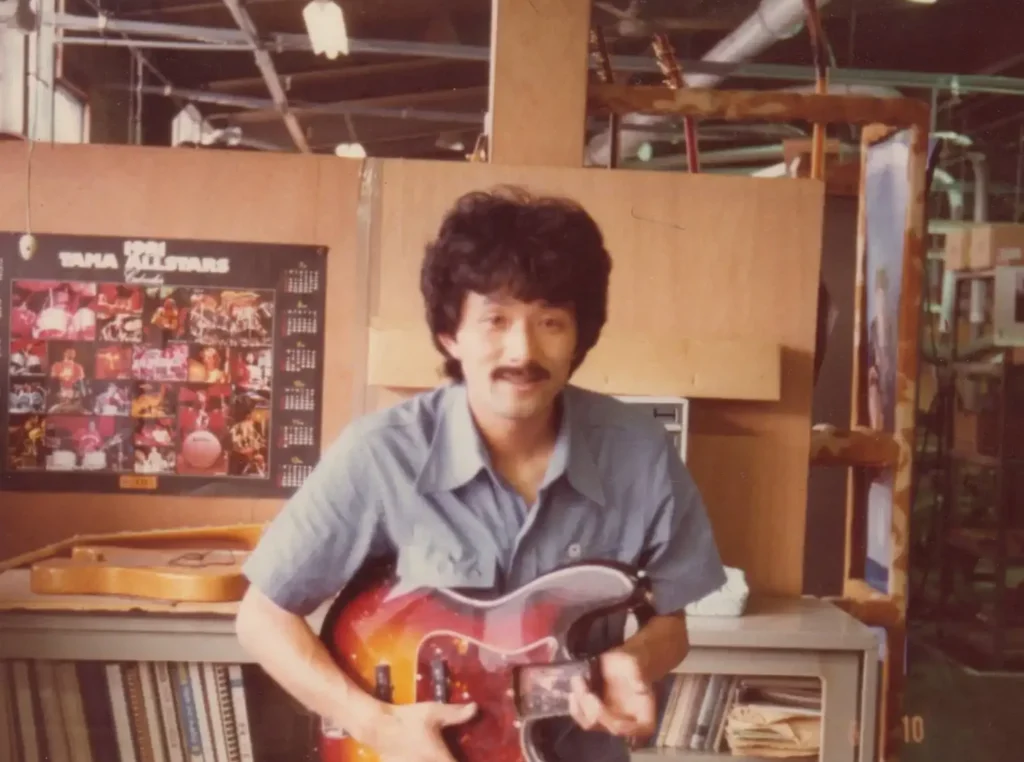
Makoto was a luthier with twenty-three years of experience in R&D, custom guitar building, and engineering at the Fujigen factory. His designs shaped Fujigen’s manufacturing for all its clients, including Ibanez, Greco, Epiphone, Yamaha, and, of course, Fender.
He also made the first sample that Fujigen sent to Fender headquarters in the USA to demonstrate their capability to manufacture Fender guitars in Japan. Thus, the first sample was not a Greco, as is often reported.
Makoto then left Fujigen in 2001 and, in 2002, began manufacturing guitars and basses under the original brand Sugi Guitars, in partnership with his uncle.
Made in Japan vs Crafted in Japan
In the second half of the 1990s, Sam Sekihara, Managing Director of Fender Japan, approached Fujigen with the idea of replacing the ‘Made in Japan’ label with ‘Crafted in Japan.’
The goal was to enhance the image of their instruments and differentiate them from other Japanese-made instruments.
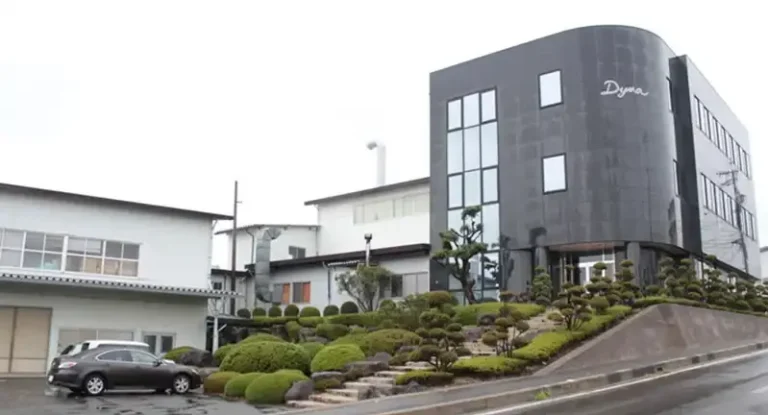
Back then, Fender was increasing their orders to Fujigen, which caused delays. Asatomo Nakata recommended involving Dyna Gakki (Chino, Nagano Prefecture), the former maker of Greco.
This happened almost exactly at the same time Fender Japan decided to change the ‘Made in Japan’ decal. Not by plan or design, but purely by chance. For a while, both Fujigen and Dyna Gakki produced the very first ‘Crafted in Japan’ Fender guitars together.
Then Fujigen decided to end its relationship with Fender, and production gradually shifted to Dyna. The last Fender instruments made by Fujigen were produced in 1997.
Initially, Dyna couldn’t immediately produce 5,000 instruments a month like Fujigen, so Fender USA agreed to let Tokai make a very limited number of instruments, exclusively for sale in Japan.
Once Dyna was able to match Fujigen’s monthly production, Tokai ended all work with Fender Japan. Therefore, Tokai was involved for only a few months.
It’s important to note that Fujigen, like all Japanese manufacturers, relied on a network of subcontractors to produce guitars. These were not large factories; typically, a subcontractor was a small, often one-man operation. However, there were exceptions, such as Atlansia, which made some necks for Fujigen for a time. Atlansia was eventually dismissed because their building techniques were not approved by Fender and caused truss rod problems.
Subcontractors handled making bodies, necks, fingerboards, pickguards, wiring, as well as sanding, painting, and assembling guitars. However, they did not take on tasks that Fujigen could not do. Usually, subcontractors were hired to complete work more cost-effectively or to help when Fujigen’s own workers were too busy, thus helping to streamline production.
FMC Japan
FMIC made several changes to the original 1982 Fender-Japan agreement, leading to the creation of other joint ventures, such as K.K. Fender Promotion (2000) and Dyna Boeky (2005). Kanda Shokai and Yamano continued as Fender’s Japanese distributors, each handling different sections of the product range, as noted in a Fender prospectus from their abandoned IPO filed on March 8, 2012: “Following the termination of a joint venture in Japan with two of our greater than 5% stockholders and their affiliates, Kanda Shokai Co., Ltd. and Yamano Music Co., Ltd., we entered into distribution agreements with each of these entities.”
The agreements with these distributors were set to terminate on December 31, 2012. Still, they would be automatically renewed for successive three-year terms “if Kanda Shokai meets certain minimum purchase thresholds” and “unless either we [FMIC] or Yamano fails to comply with certain specified conditions.” However, these conditions were not met, and on April 1, 2015, Fender took full control of its operations in Japan, including product development, production, and distribution, transitioning from the previous joint venture model. This restructuring led to the establishment of FMC Japan, marking a significant shift in Fender’s approach to its Japanese manufacturing and operations.
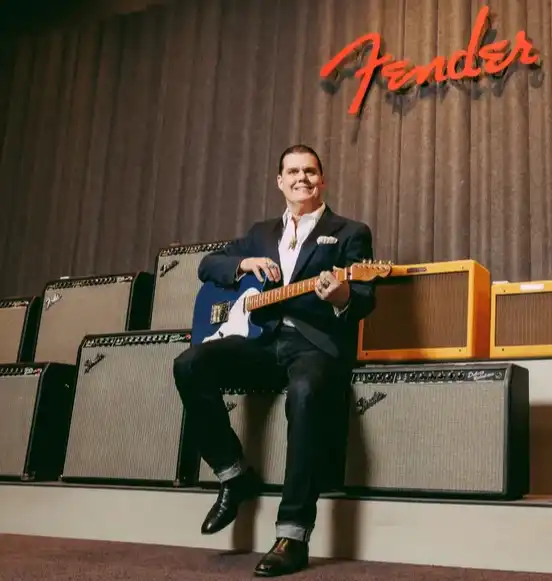
Fender decided to relaunch Fender Japan and appointed Edward “Bud” Cole, then president of Ralph Lauren Japan, as Fender’s Asia-Pacific President.
At the time, Asia had been a minor focus for Fender, but Cole aimed to revitalize the brand in the region, planning initiatives such as a high-profile retail space. Part of this vision included creating original guitars manufactured in Japan.
The first instruments made for the Japanese market were part of the new Japan Exclusive Series and continued to be produced by Dyna Gakki. Since the factory had been manufacturing guitars for Fender Japan for many years, there was little change from previous production.
From that point on, a few Fender Special Run (FSR) models were produced for the Western and U.S. markets.
In addition to the Japan Exclusive Series, starting in 2015, other Fender instruments made in the USA or Mexico also became available in Japan.
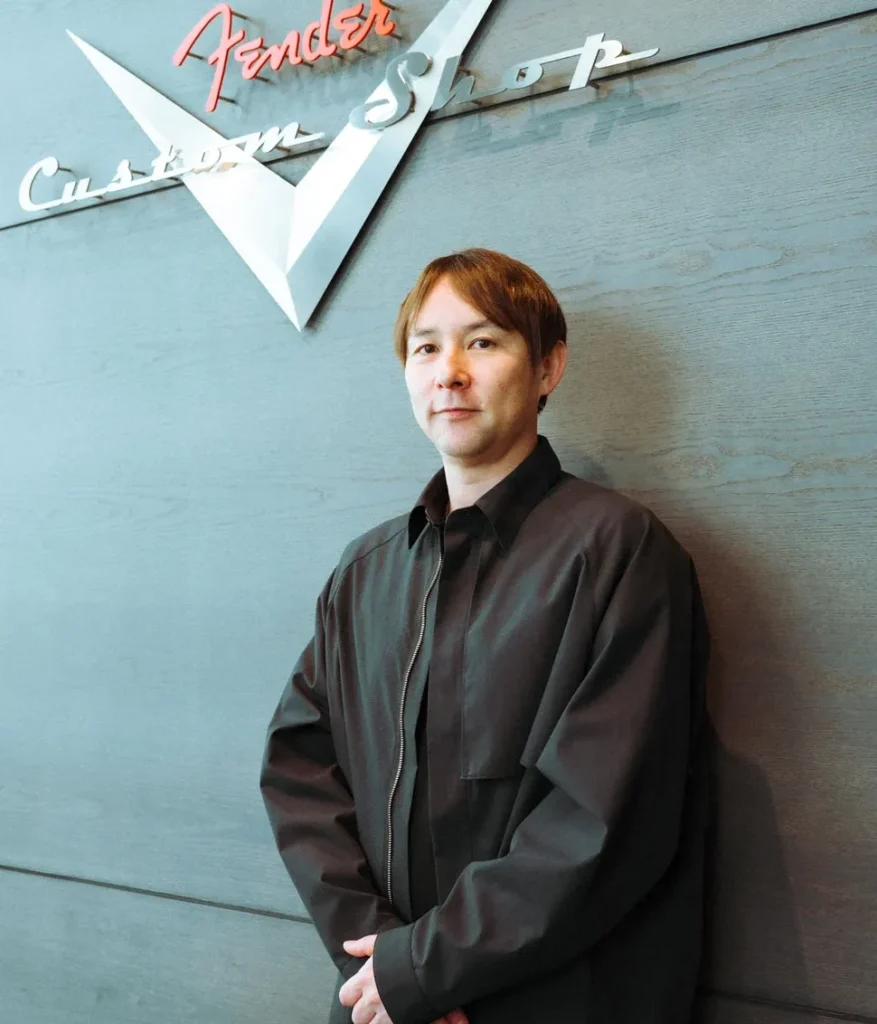
From 2020 onward, all Fender Japan designs were led by Product Management Director Masato Fujikawa, who emphasized innovation and asked, “What would Leo Fender do if he were designing a new guitar today?” Unlike Fender US, which often revisited historical models, Fender Japan focused on fresh, contemporary designs.
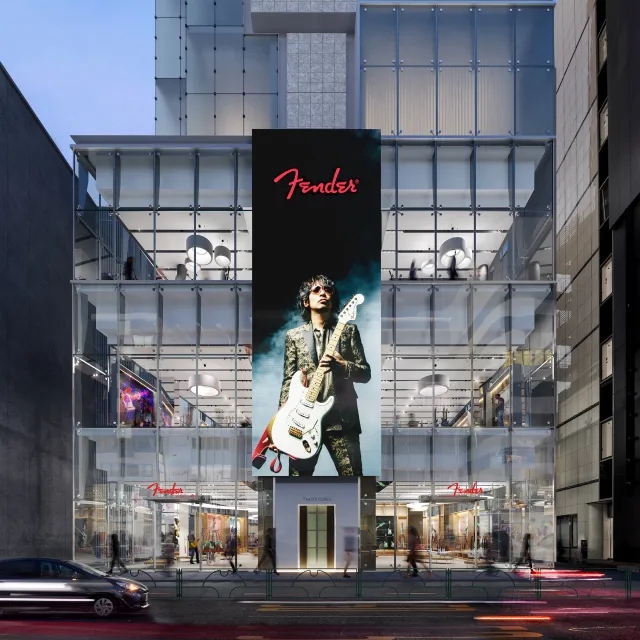
Expanding its retail presence, Fender opened its first official shop in Miki Gakki Americamura, Osaka, on April 1, 2019, offering guitars, basses, amplifiers, and exclusive models. This was followed by the launch of Fender Flagship Tokyo in Harajuku on June 30, 2023, a four-story immersive space showcasing Fender and Squier instruments, featuring a Custom Shop area, and serving as a cultural hub for musicians and fans alike.
In 2020, Fender resumed work with FujiGen, beginning with the HM Strat reissue. This renewed collaboration combined the expertise of FujiGen’s master craftsmen with Fender’s design vision, signaling a new era of Japanese Fender production. According to Allen Abbassi, Fender’s Director of Product Management for Electric Guitars and Basses, the resurgence of consumer interest in early Japanese-made Fenders was a driving factor behind the JV Modified series.
“We recently began working with FujiGen again, starting with the HM Strat reissue in 2020. Fender’s renewed partnership with FujiGen, combined with great consumer interest in early Japanese-made Fenders, was the inspiration for the JV Modified guitars. We wanted to pay homage to those early Japanese-made Fenders, but we didn’t want to simply make a ‘reissue of a reissue.’”
Allen Abbassi
Observations and remarks
There is a lot of confusion about Japanese guitars, with some considering them exceptional instruments and others considering them overrated. The reality is that Fender Japan produced a wide range of guitars, including expensive, high-quality models crafted by skilled luthiers, as well as more affordable instruments.
Guitars made in Japan played a vital role in supporting Fender during the challenging years following the CBS era, particularly when Fender lacked a factory in the USA.
So, what happened next? As Japanese manufacturers proved their ability to produce high-quality instruments, the prices of Japanese electric guitars started to increase. However, the market was too competitive to sustain these higher prices, resulting in a loss of market share for Japanese guitars.
Unfortunately, in the ‘90s, Mexican Fender guitars, which had taken over the market share previously held by Fender Japan, did not seem to match the quality of their Japanese counterparts.
Fender Japan Series & Stratocasters Reference
- JV and SQ Stratocasters
- Domestic Models and Series Overview (1984 Onward)
- Standard Stratocasters
- Collectables and Hot Rodded Reissue Series
- Foto Flame
- The ExTrad Series
- Superstrats: Contemporary, HM, Boxer, and Pro Feel Stratocasters
- Paisley and Blue Flower Stratocasters
- Silver Series
- XII-String Stratocasters
- Aerodyne Stratocasters
- Made in Japan Traditional Series
- Made in Japan Heritage Series
- Made in Japan Hybrid Series
- Made in Japan Modern Series