Squier Production in China & Indonesia
Cover - Squier China and Indonesia ad

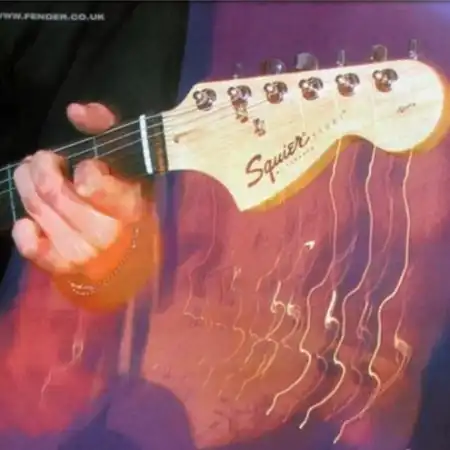
In the early 1990s, Squier shifted production from Korea to China and Indonesia to cut costs and revive its struggling brand. China offered affordable hardwoods, while Indonesia provided solid craftsmanship at lower prices. Key Chinese factories included Yako, AXL, and Grand Reward, which built iconic models like the Classic Vibe and Modern Player series. In Indonesia, P.T. Cort and P.T. Samick handled most production. By the mid-2000s, Squier’s image improved through marketing innovations such as the beginner-friendly “Pak” sets and the “Team Squier Garage to Glory” contest, reinforcing its identity as an accessible, entry-level gateway into the Fender world.

Squier Pro Tone Series

Cover - Squier Pro Tone Skater ad

The Squier Pro Tone Series, launched in 1996, was Fender’s bold effort to revive Squier’s reputation after declining Korean-made models and fierce competition in the early ’90s. Designed in Scottsdale and built by Cort in Korea, the Pro Tone guitars featured solid ash bodies, alnico pickups, quality hardware, and eye-catching transparent finishes. They also introduced a refined gold Squier logo, symbolizing pride and independence. Despite their success and strong appeal among players, Pro Tone models overlapped in price with Mexican-made Fenders. To protect its main line, Fender discontinued the series in 1999—ironically ending Squier’s most acclaimed revival.

Korean Squier Stratocasters: The Plywood Era

Cover - Korean Squiers

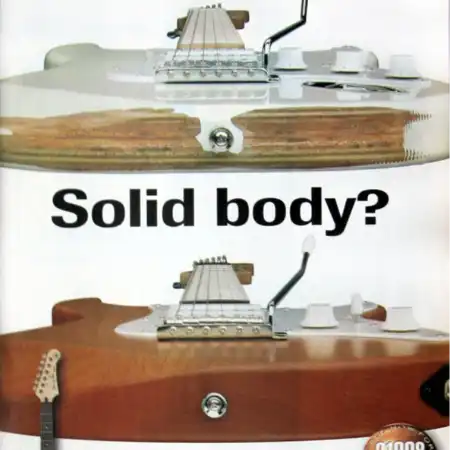
By the late 1980s, rising Japanese production costs led Fender to shift Squier manufacturing to Korea. The first Korean Squiers, built by Young Chang, offered affordable alternatives but soon suffered from inconsistent quality as production moved to Samick and Sung Eum. Early models featured solid or veneered alder bodies, but later guitars used plywood, damaging their reputation. Despite numerous factory changes and low-cost components, models like the Squier Standard, Contemporary, and Squier II Stratocasters kept prices competitive. India briefly produced Squier II guitars in 1988, but severe quality issues ended that venture quickly. Fender’s later Korean efforts, including the Squier Series and Bullet Stratocasters, attempted to restore credibility but continued to rely on laminated bodies. By the mid-1990s, Fender improved materials and introduced better-built models like the Pro Tone Series. These shifts marked a turbulent but pivotal era for Squier, bridging Japan’s legacy and the rise of later Chinese and Indonesian production.

Squier Silver Series

Cover - Squier Silver Series

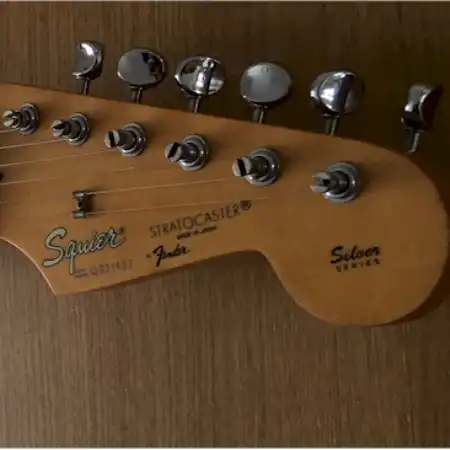
The Squier Silver Series was launched in 1990 to revive Japanese production after Korean Squiers suffered poor quality and declining sales. Early small runs appeared in 1988–1989, with official production continuing until 1996. Recognizable by their silver Squier logo and headstock decal, the guitars featured inconsistencies in wood (basswood, alder, or P.A.F.), tuners, and finishes. Notable technical changes included the adjustment of the headstock truss rod. Models like the SST-33, SST-36, and SST-39 were sold in Japan. A unique highlight: George Harrison’s Silver Series Stratocaster, customized with a mint-green pickguard, was later sold at auction for $29,384, making it the most expensive used Squier ever.