Master Design, Builder Select, Founders Design and Dealer Select

Master Design, Builder Select, Founder Design and Dealer Select explained, with key differences in Fender Custom Shop series.
 Antonio Calvosa
Master Design, Builder Select, Founder Design and Dealer Select explained, with key differences in Fender Custom Shop series.
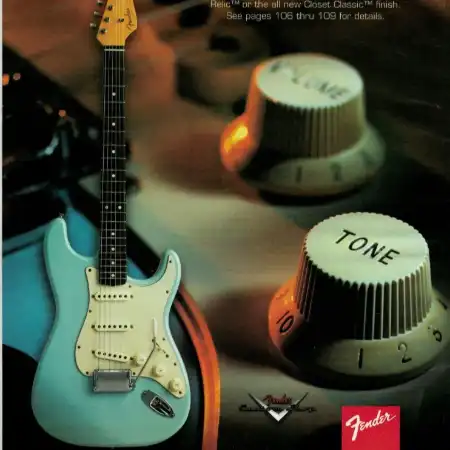
Fender Time Machine Series History: from Relic to Vintage Custom, year-specific reissues, aging finishes, and the evolution of Fender Custom Shop craftsmanship.
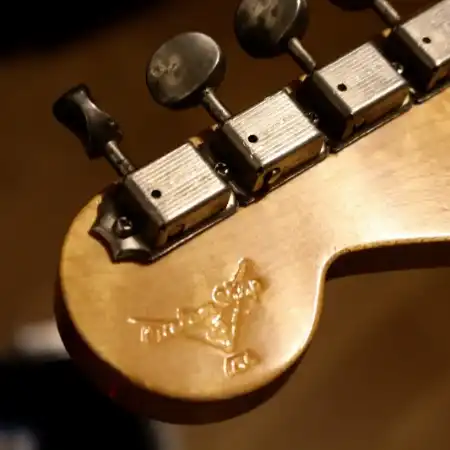
History of the Fender relic guitars and the Vince Cunetto era, from the first Custom Shop aged models to identifying a true Cunetto relic guitar.
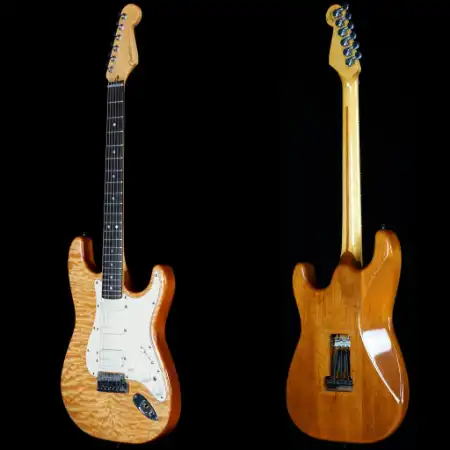
Set-Neck Stratocaster, Contemporary and Carved Top models of the 1990s: specs, designers, pickups, and the Allan Holdsworth humbucker story.
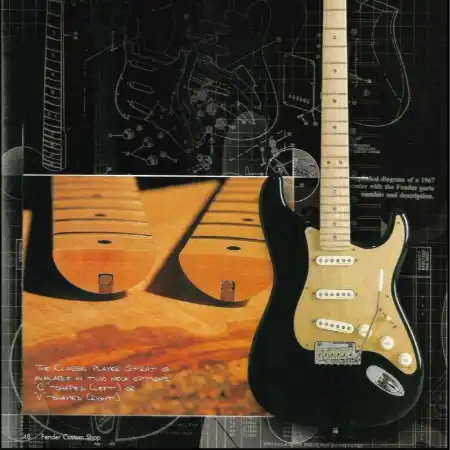
Fender Custom Classic Series: early Custom Shop Stratocasters blending vintage style, modern specs and premium player-focused craftsmanship
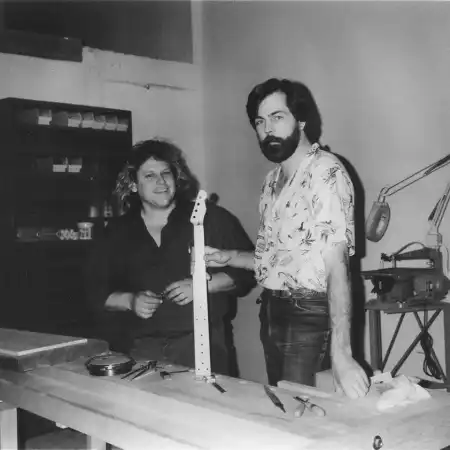
A detailed history of the Fender Custom Shop, from its origins to its evolution into a benchmark for craftsmanship, innovation, and collectible guitars.

Fender replaced the long-running Classic Series in 2019 with the Vintera line, aiming for more period-correct vintage authenticity in Mexican-made Strats.

Fender’s Road Worn Series, launched in 2009 from the Ensenada factory, aimed to capture the feel of vintage guitars without the Custom Shop price. Inspired by Joe Strummer’s rough-and-ready Telecaster, these instruments used nitrocellulose finishes, subtly distressed hardware, and worn-in necks to create a natural, stage-aged look. The line balanced authenticity and affordability, offering models like the ‘50s and ‘60s Stratocasters with Tex-Mex pickups and period-correct features, later followed by the player-friendly Road Worn Player Strat. Discontinued in 2020, the aesthetic lives on in the Vintera I & II lines and Mexico-made Mike McCready Stratocasters with lighter, refined aging.
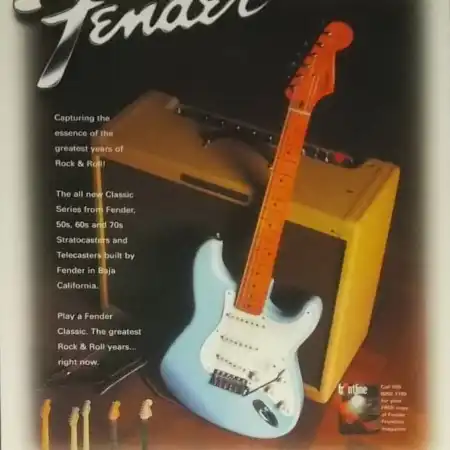
In 1999, Fender launched the Made in Mexico Classic Series, offering ’50s, ’60s, and ’70s Stratocasters that faithfully replicated vintage features. The ’50s and ’60s models had four-bolt neck plates, small Spaghetti-logo headstocks, 7.25” fingerboards, vintage frets, and AlNiCo 5 staggered-pole pickups. The ’70s Stratocaster featured a three-bolt neck, large CBS-logo headstock, bent-steel saddles, and AlNiCo 3 pickups. Body woods varied by decade, with poplar initially used and later replaced by alder, while nitro finishes and pau ferro boards appeared in later updates. Pickups retained low-output vintage specifications, with similar polarity across positions.
The Classic Player Series, introduced in 2006, was designed by Custom Shop Master Builders but made in Mexico. These ’50s and ’60s-inspired Stratocasters combined vintage aesthetics with modern touches, including larger frets, flatter fingerboards, and specialized pickups. Confusion arose due to the “Custom Shop Designed” engraving, leading some to believe these were Mexican-made Custom Shop guitars. Certain pickups, like the Custom ’69, were supervised by Abigail Ybarra but not hand-wound by her.
ChatGPT ha detto:
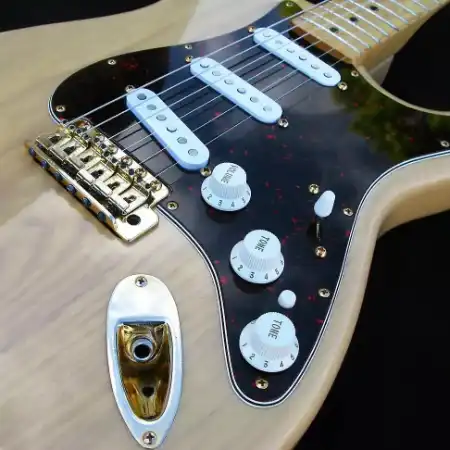
Fender’s Ensenada factory expanded beyond the Standard line with the Special Series, later evolving into the Deluxe Series, to offer higher-spec Mexican-made instruments positioned between standard MIM and U.S. models. Special Series guitars featured Alnico pickups, upgraded hardware, and more elaborate finishes. The short-lived Tex-Mex Stratocaster stood out with Tex-Mex single-coil pickups, jumbo frets, vintage tuners, spaghetti logo, and bent-steel saddles. Bodies and necks were built in Corona and finished and assembled in Mexico using poplar bodies with veneer tops and backs.
Tex-Mex pickups used Alnico 5 magnets, staggered poles, and an overwound design for higher output while retaining Strat clarity, offering an affordable alternative to Custom Shop Texas Specials.
The lineup also included the Tex-Mex Strat Special and the Strat Special with humbucker options and simplified controls.
The Deluxe Series added premium electronics such as active mid-boost circuits, noiseless pickups, and experimental features, expanding Fender’s Mexican range into performance-focused, modern “premium” territory.