Made in Japan Modern Series

Cover - MIJ Modern Series

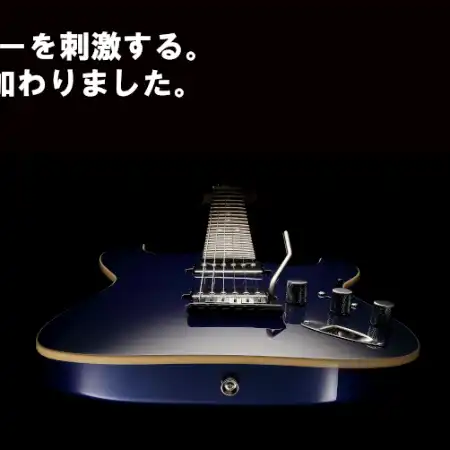
Launched in 2019, Fender Japan’s Made in Japan Modern Series reimagined classic Fender designs for contemporary players. Blending tradition with innovation, the lineup included Stratocaster, Telecaster, Jazzmaster, and Jazz Bass models, all featuring sleek, aerodynamic curves inspired by sports cars. The series embraced Fender’s “Fly Beyond” motto, symbolizing progress in tone, versatility, and craftsmanship. Highlights included compound-radius necks, asymmetrical heels, and locking tuners for modern playability. HH models with Modern Modified Humbuckers delivered a powerful, focused tone, while HSS and SSS versions offered noiseless classic sounds. The result was a fusion of elegance, comfort, and cutting-edge design—distinctly modern yet unmistakably Fender.

Made in Japan Hybrid Series

Cover - MIJ Hybrid

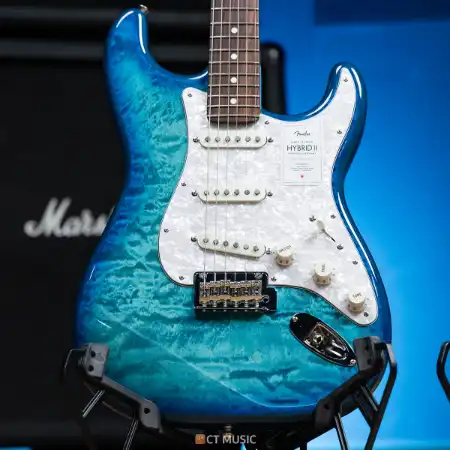
The Made in Japan Hybrid Series, launched in 2017 under Chris Fleming’s direction, combined vintage Fender aesthetics with modern playability—featuring U.S.-made pickups, satin necks, and medium-jumbo frets. Building on its success, Fender introduced the Hybrid II Series in 2021, refining ergonomics with U.S.-based body contours, rounded neck edges, and narrow-tall frets. New Hybrid II Custom Voiced Pickups and orange-drop capacitors delivered balanced tone and clarity. With unique finishes like Modena Red and Forest Blue, the Hybrid II embodied the perfect blend of American Fender DNA and Japanese precision, offering versatile, high-quality instruments celebrated by artists and players worldwide.

Made in Japan Heritage Series

Cover - Made in Japan Heritage Series

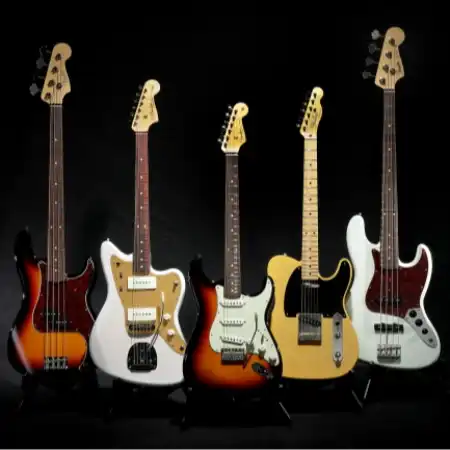
Launched in March 2020, Fender Japan’s Made in Japan Heritage Series aimed to faithfully recreate the company’s vintage DNA through Japanese craftsmanship. Overseen by Master Builder Mark Kendrick, the project combined data from Fender’s U.S. archives with Japan’s precision manufacturing to achieve unmatched authenticity. Each of the eleven models shared a single price point and period-correct details—such as lacquer finishes, Formvar-wound pickups, 7.25” fingerboard radius, and era-specific neck shapes. Rather than copying American Fenders, the Heritage Series expressed what Japanese builders could achieve as equals, blending tradition, accuracy, and pride into a lasting chapter of Fender’s global story.

Made in Japan Traditional Series

Cover - Made in Japan Tradition Series

ChatGPT ha detto:
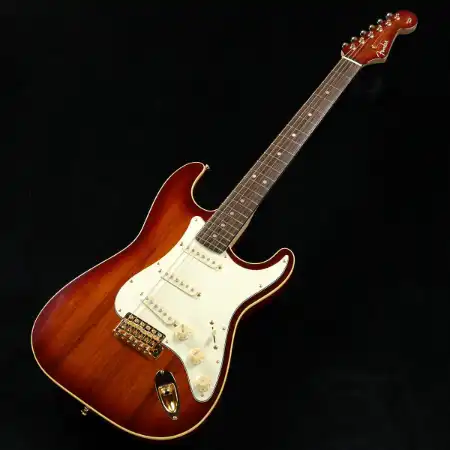
Launched in 2017 to celebrate 35 years of Fender Japan, the Made in Japan Traditional Series blended Fender’s heritage with Japanese craftsmanship, replacing the Japan Exclusive Series. Under Chris Fleming’s supervision, improvements were made to truss rod installation, fretwork, and finishing, while aesthetic updates included vintage-style decals, redesigned knobs, and a sharper Telecaster body contour. In 2020, the second series introduced modern playability upgrades—narrower nut width, 9.5″ radius—and eco-friendlier materials. Guided by Mark Kendrick’s U.S. design standards, it incorporated American body and neck data, aligning Fender Japan’s precision with global specifications while preserving its unique character.

Fender Aerodyne Series

Cover - Aerodyne

Launched in 2004 by Fender Japan, the Aerodyne Series introduced sleek, carved-body Stratocasters blending vintage and modern features. The domestic AST-75 and export Aerodyne Standard Stratocaster featured basswood bodies, 7.25” fretboards, vintage-style hardware, and side-mounted jacks, though only the Japanese model had a pickguard. The line expanded in 2006 with the Aerodyne Classic Stratocaster for Western markets and medium-scale AST-75MDS/MDH models for Japan, offering diverse pickups and flatter fretboards. The high-end Aerodyne Special featured alder bodies with carved maple tops and premium DiMarzio pickups. Later limited editions included Koa and Flame Maple Top models, with new Aerodyne II and Special Stratocasters arriving in 2022.

Paisley and Blue Flower Stratocasters

Cover - Paisley Stratocaster

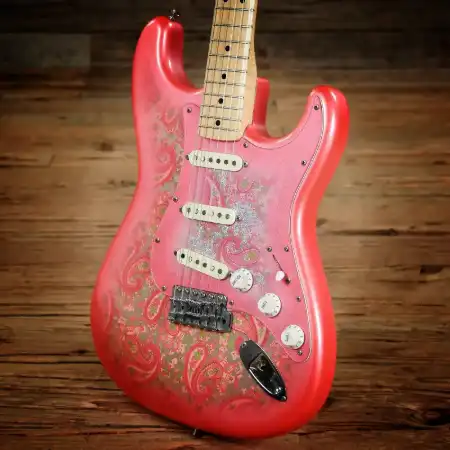
Paisley is a decorative Persian-inspired motif that gained popularity in the 1960s, leading Fender to release Paisley and Blue Flower Telecasters in 1968–69, famously played by James Burton. In the 1980s, Fender Japan extended these finishes to Stratocasters, using printed paper or fabric designs sealed with clear coats. Prototypes were created in 1986 when Dan Smith asked Fujigen to test the concept, with Nick Sugimoto improvising patterns from Indian shirts. Production began in 1987, starting with the Telecaster, then the Paisley Stratocaster ST72-125PRD and later the Blue Flower ST72-75BFL. Fender reissued these models in limited runs in 2002–03 and 2008.

Fender Japan

COVER - Fender Japan

During the late 1970s and early 1980s, Fender faced intense competition from high-quality Japanese copies of its guitars, particularly Tokai’s Springy Sound Stratocaster, which closely replicated vintage Fenders. This pressure, combined with rising U.S. production costs, prompted Fender executives Bill Schultz and Dan Smith to establish Fender Japan in 1982 with distributors Yamano Music, Kanda Shokai, and manufacturer FujiGen Gakki. Unlike popular myths, FujiGen was not just a supplier but an equal partner in Fender Japan, playing a key role in refining designs and improving production through advanced mechanization. Early Fender Japan models helped restore Fender’s reputation, even outshining domestic competition.

The article dispels rumors that these guitars were rebranded Grecos, explains how Fender’s ad campaigns and design teams shaped perceptions, and highlights Makoto “Nick” Sugimoto’s Custom Edition Team, a precursor to a Japanese Custom Shop. It also explores the transition from “Made in Japan” to “Crafted in Japan” labeling, the involvement of other factories like Dyna Gakki and Tokai, and Fender’s eventual restructuring of Japanese operations under FMC Japan in 2015.

Fender Japan guitars—ranging from affordable models to exceptional high-end instruments—were crucial to Fender’s survival in the CBS era and beyond, cementing Japan’s reputation for craftsmanship and innovation in electric guitars.

The American Original Series

Cover - American Original Series

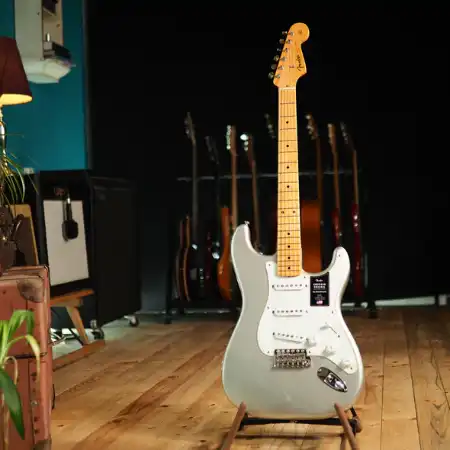
On January 16, 2018, Fender launched the American Original Series, replacing the long-running American Vintage line. While the Vintage Series focused on exact recreations of specific guitars, the American Original line blended standout features from each decade to balance vintage character with modern playability. Developed under Joey Brasler and Justin Norvell, the series took nearly two years of planning, design, and consultation with musicians. Key updates included a modern 9.5” fingerboard radius, narrow-tall frets, and period-correct nitrocellulose finishes. The American Original ’50s and ’60s Stratocasters reflected their respective eras with different neck profiles, pickup sets, and cosmetic details, while offering improved comfort and versatility. Fender emphasized that the new line wasn’t a step back, but a refinement designed for today’s players. Introduced at Winter NAMM 2018 alongside an ambassador campaign featuring Isaac Brock, Kurt Vile, Raphael Saadiq, and J.D. McPherson, the series represented Fender’s vision of timeless design made modern.

Vintage Reissue Stratocasters

Index - Vintage Reissue

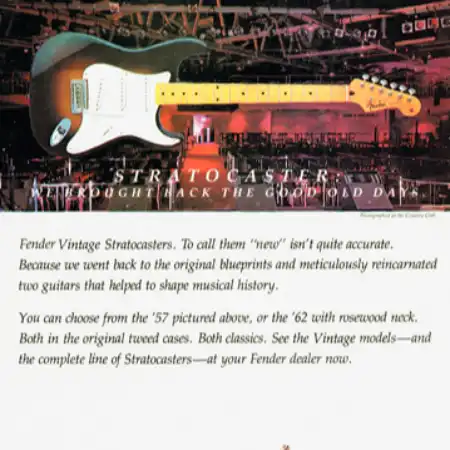
In the early 1980s, Fender responded to growing demand for vintage-style guitars by launching its Vintage Reissue series. While Japanese companies like Tokai dominated the market with affordable vintage-style models, Fender began producing guitars in Japan and simultaneously developed U.S.-made reissues. Led by Dan Smith and John Page, Fender sourced original pre-CBS Stratocasters for reference, working with experts like John Carruthers and Seymour Duncan to recreate classic features. The first models—the ’57 and ’62 Stratocasters—were officially introduced at the 1982 NAMM Show but delayed due to factory retooling.

Though advertised as exact replicas, these reissues included intentional design compromises for broader market appeal, such as altered neck shapes and finishes. Even so, they played a crucial role in Fender’s revival, funding the Standard line and paving the way for the Custom Shop.

Controversy arose when Fender’s 1982 catalog featured a Tokai neck in one photo, mistakenly fueling rumors of counterfeit parts. Ironically, Japanese-made reissues were more historically accurate in some details. The original U.S. models, now called Fullerton Reissues, were produced until 1985 and are highly collectible today. Production later shifted to Corona, and in 1998, the line was relaunched as the American Vintage Series.

The American Ultra Series and the American Ultra II Series

Index - American Ultra

Launched in November 2019, the Fender American Ultra Series marked a bold step forward for the iconic brand. Described as the company’s “most advanced modern guitar,” the series was a refined evolution of the earlier American Elite line. Fender reengineered virtually every component to enhance comfort, tone, and performance—without sacrificing the essential character of a Stratocaster. It introduced Ultra Noiseless Vintage and Hot pickups, offering classic Fender tone without hum, and the Double Tap Humbucker, which maintained balanced output in both humbucking and coil-split modes.

Ergonomics were a key focus: revised body contours and a newly sculpted neck heel dramatically improved upper fret access, while the exclusive Modern “D” neck and a 10″-14″ compound radius offered unprecedented playability. Satin urethane finishes and soft-touch knobs added to the tactile appeal, while the return of the Bi-Flex truss rod at the headstock aligned the model with classic Fender traditions.

In 2021, Fender introduced the American Ultra Luxe line, building further with stainless steel frets, a new Augmented “D” neck, and premium finishes. These guitars were touted as Fender’s most sophisticated factory models to date.

Continuing this innovation, the American Ultra II Series debuted on October 15, 2024, carrying the motto “Innovation never rests.” Described by Fender as its most advanced series ever, Ultra II models were fine-tuned to serve both traditionalists and modern players. EVP of Product Justin Norvell called them the “sports cars” of the Fender lineup—fast, sleek, and engineered for peak performance. The development process drew on extensive player feedback from artists, dealers, and online communities, echoing Leo Fender’s original approach of close collaboration with musicians.

While retaining many successful Ultra features, Ultra II brought subtle refinements designed to enhance speed, precision, and versatility, further blurring the line between vintage feel and modern tech.

From the original Ultra to the Luxe and Ultra II, Fender’s flagship guitars showcase decades of design evolution, innovative manufacturing, and a player-first philosophy. Built in Corona, California, with over 150 hand processes, these instruments blend the soul of vintage Fender with 21st-century performance.